Zirkus Espresso WDT Tool
ZIRKUS WDT Tools for Espresso Distribution
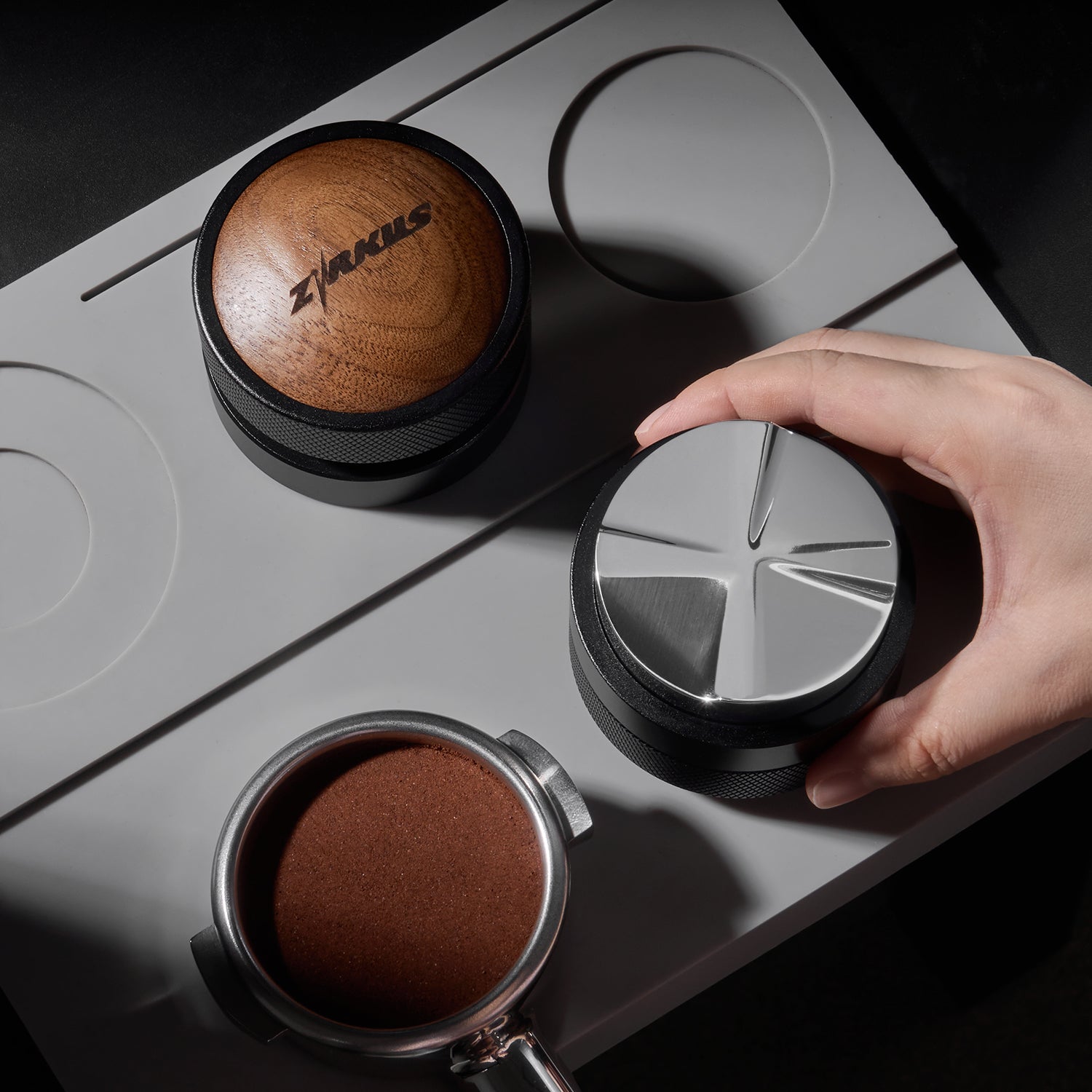
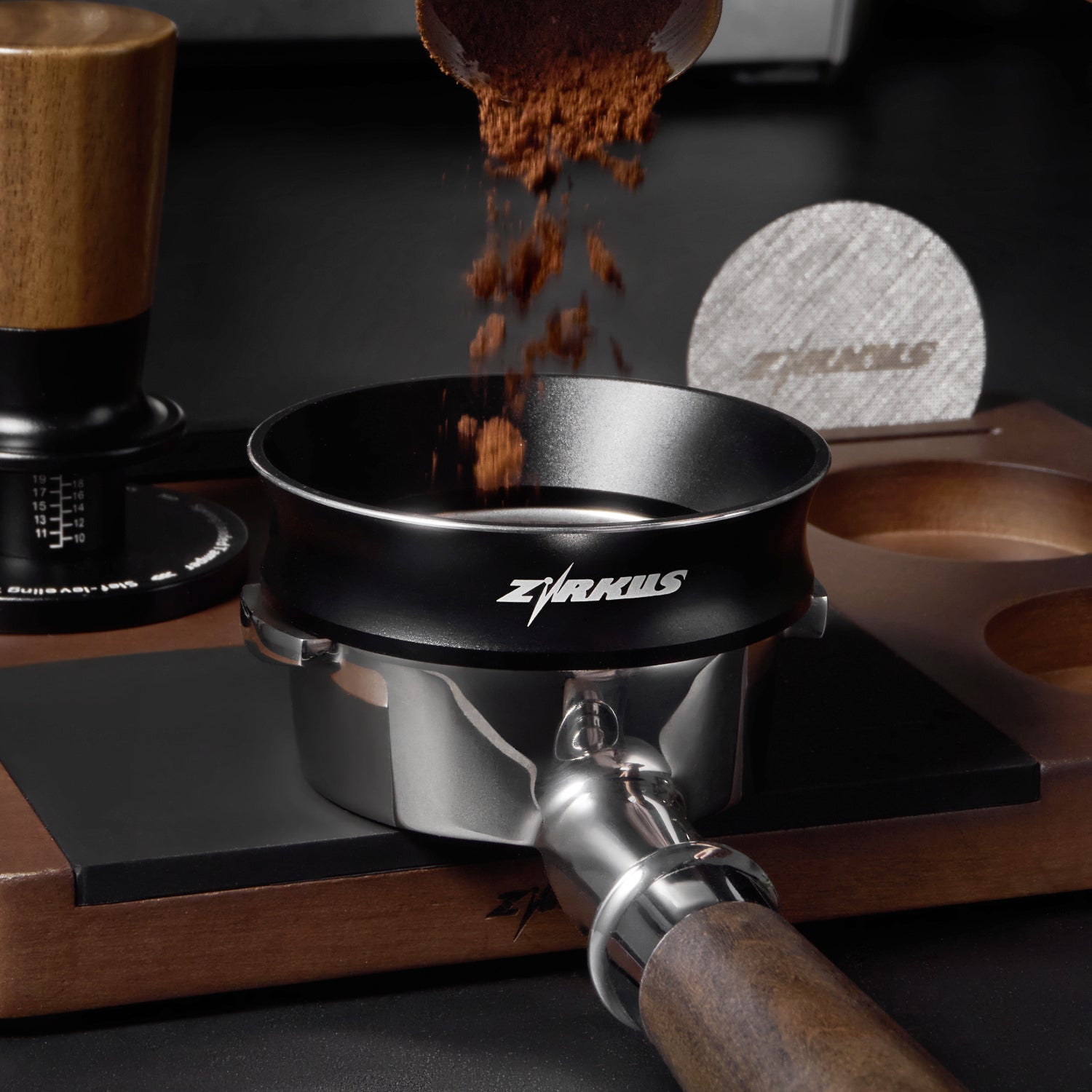
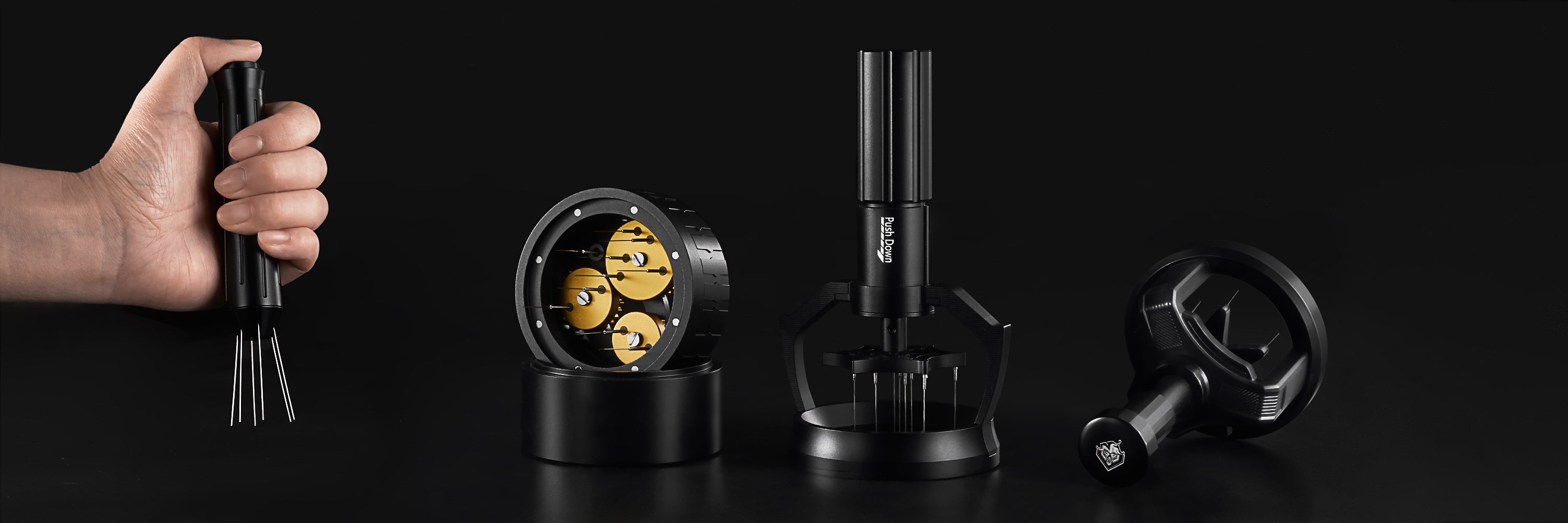
Improve your espresso preparation with a ZIRKUS WDT tool designed to break up clumps, distribute coffee grounds more evenly and help reduce the risk of channeling. Choose from manual, rotary, gear-driven and electric designs to match your preferred workflow, whether you want precise hands-on control or faster, more repeatable puck preparation.
Shop the collection to find the WDT tool that fits your basket, counter space and daily brewing routine—and take the next step toward cleaner preparation and more consistent espresso shots.


Zirkus V4 Espresso Rotary Springback WDT Distribution Tool
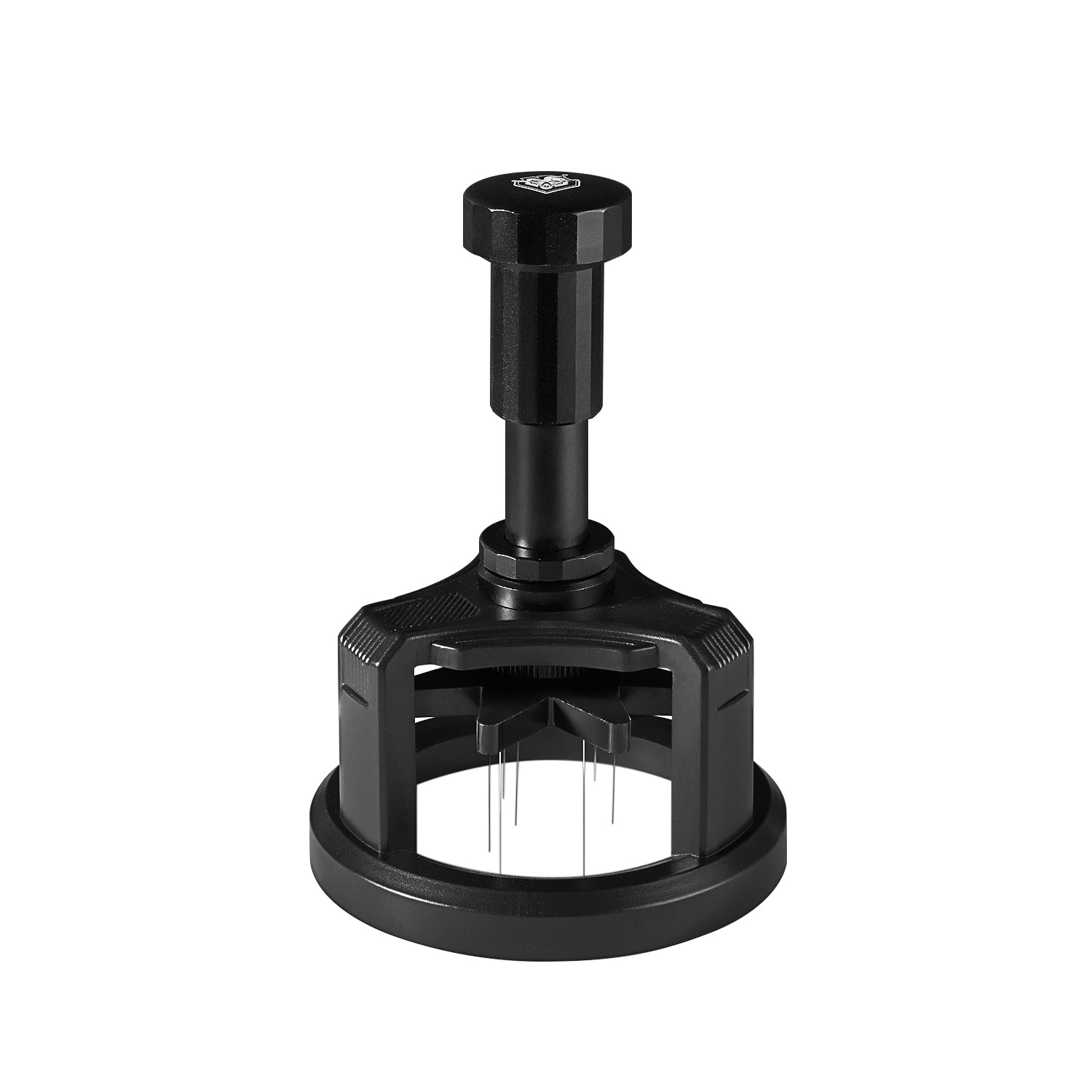
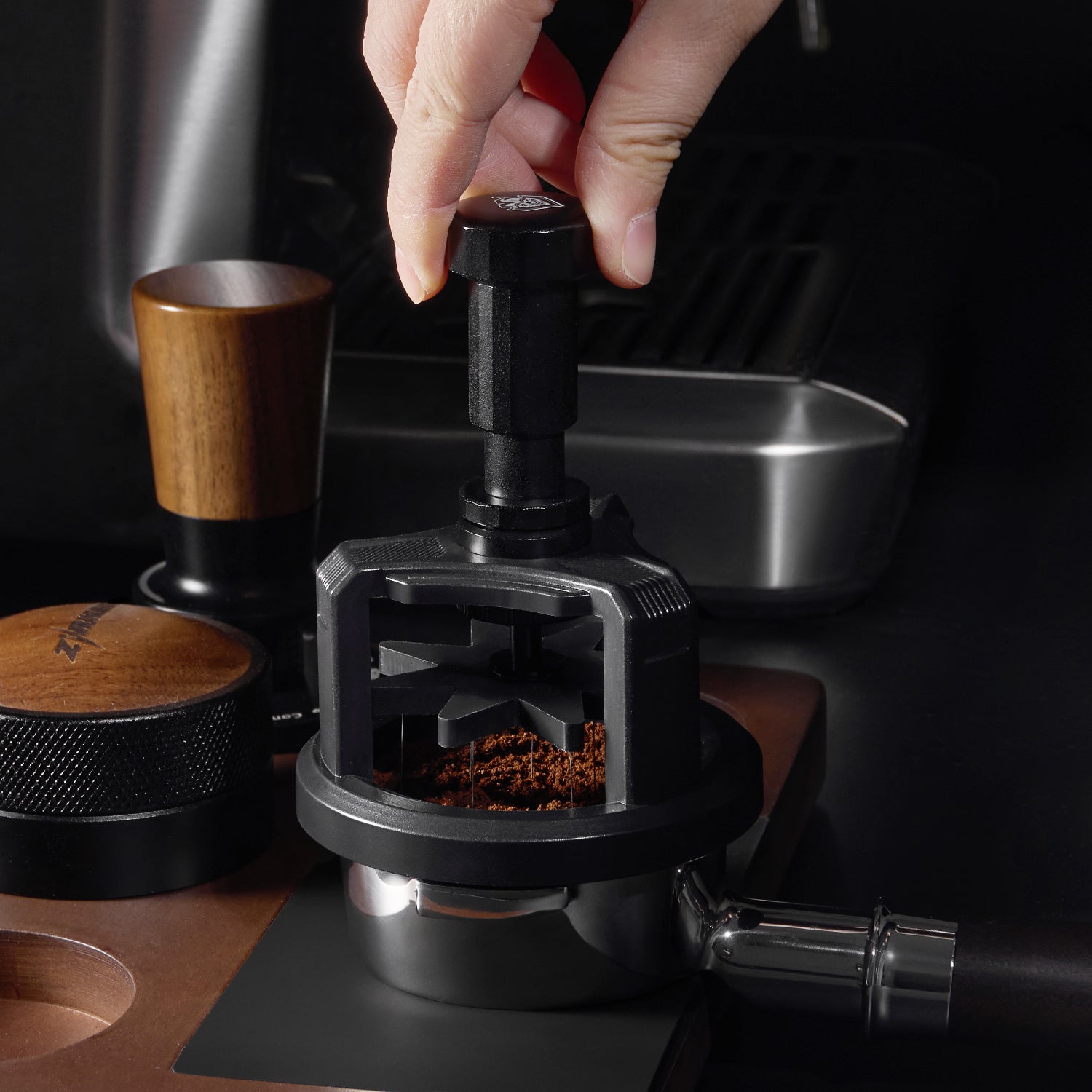
Zirkus Espresso WDT Tool Push Down to Rotary Needle Distribution Tool
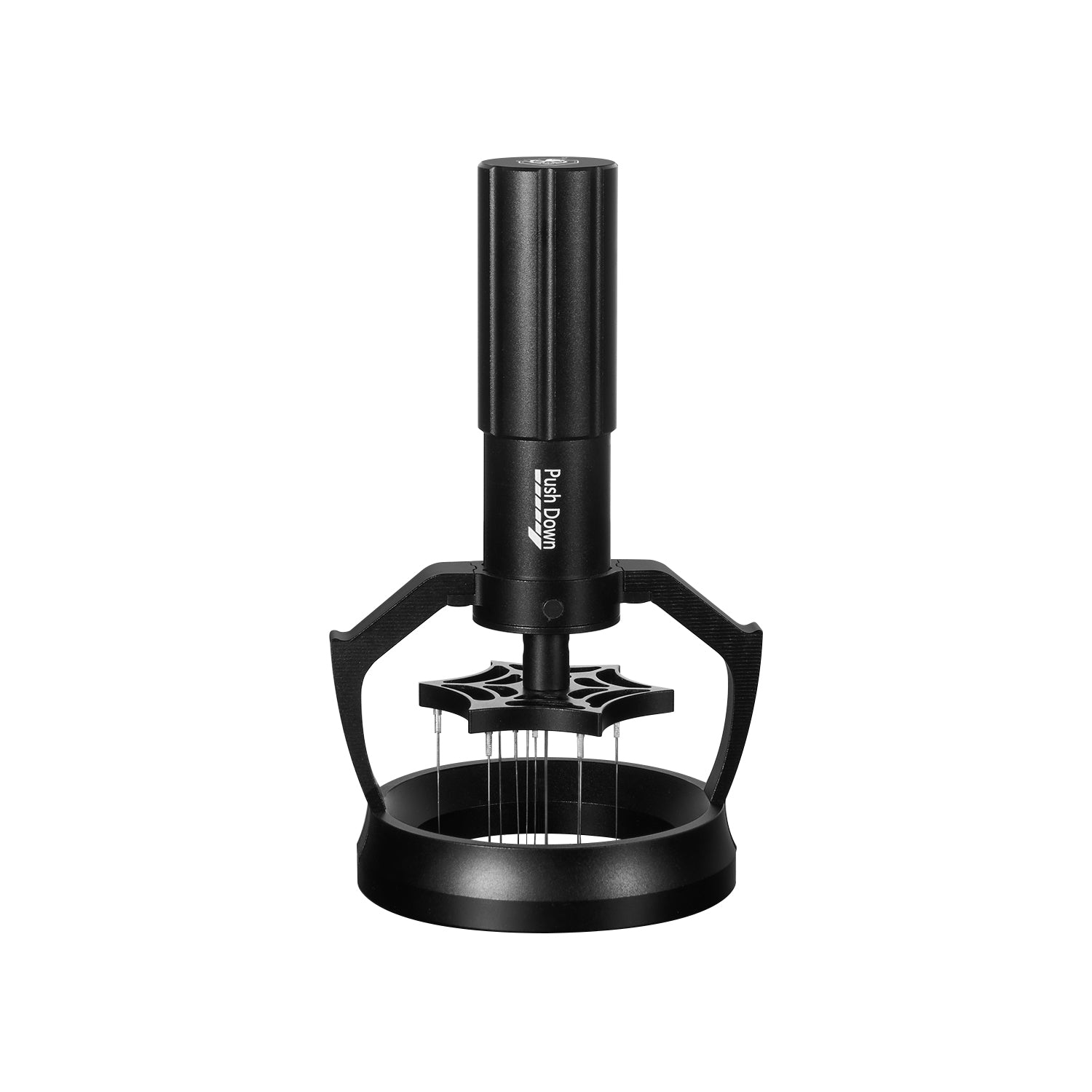
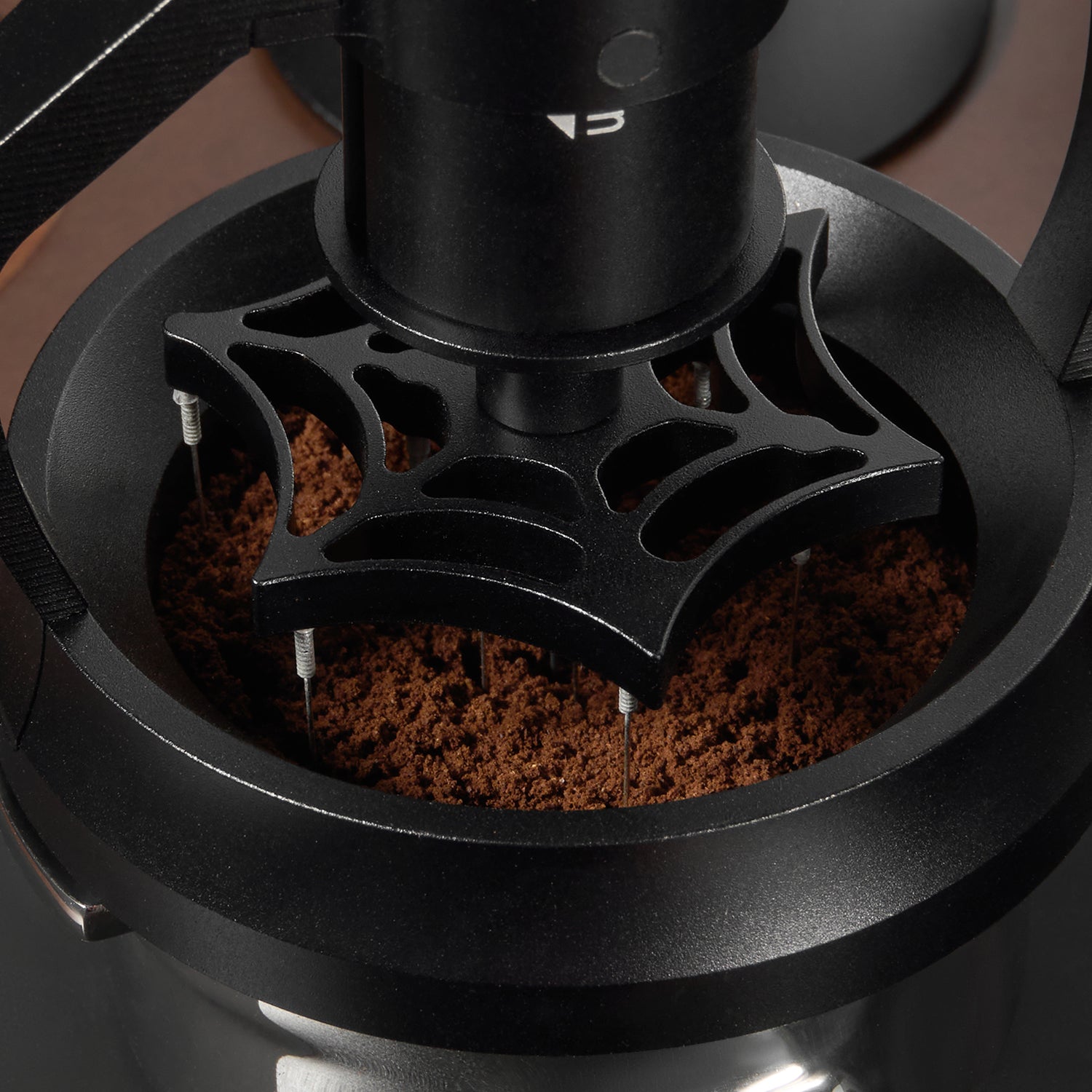
Electric Coffee WDT Tool 58mm Auto Rotation Magnetic Induction
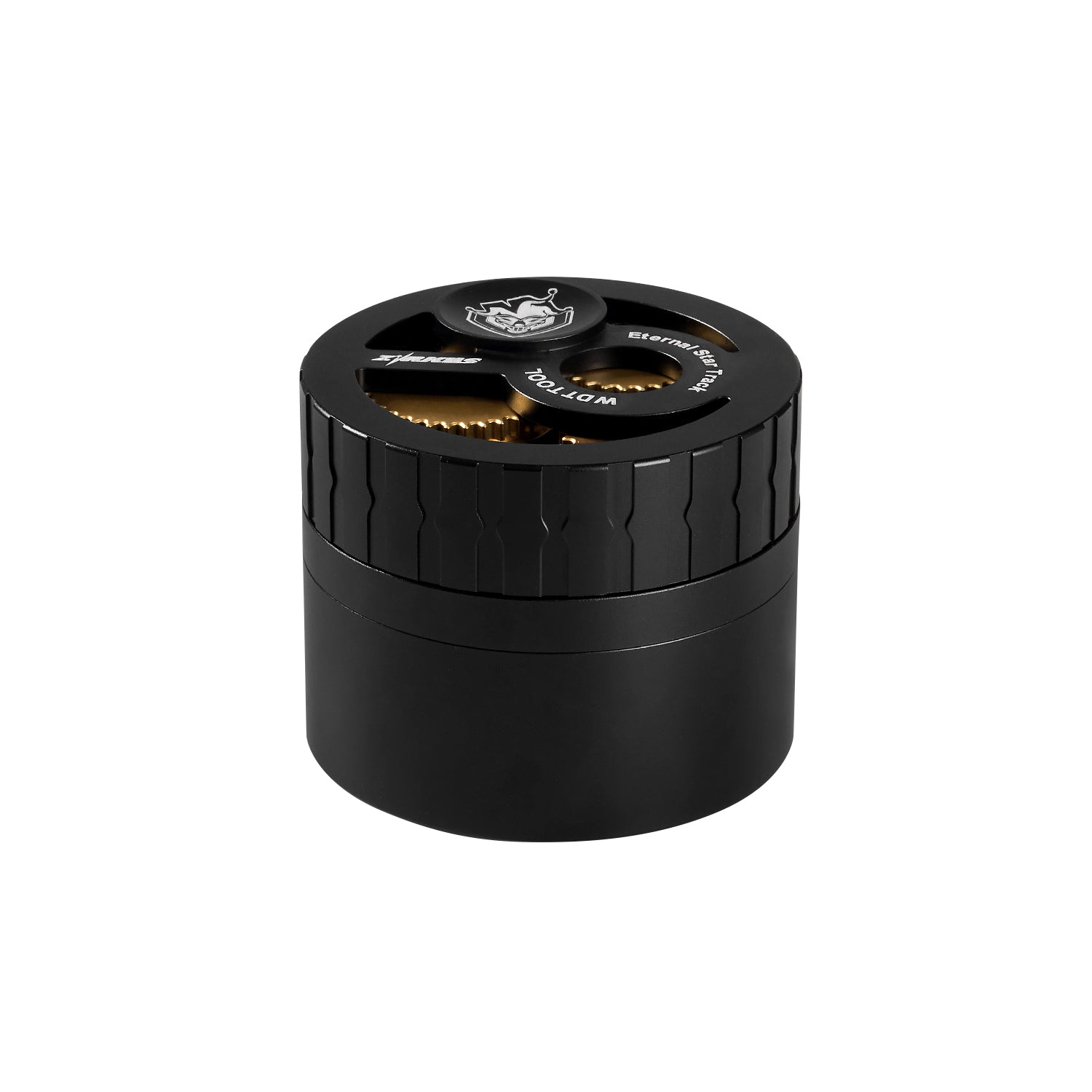
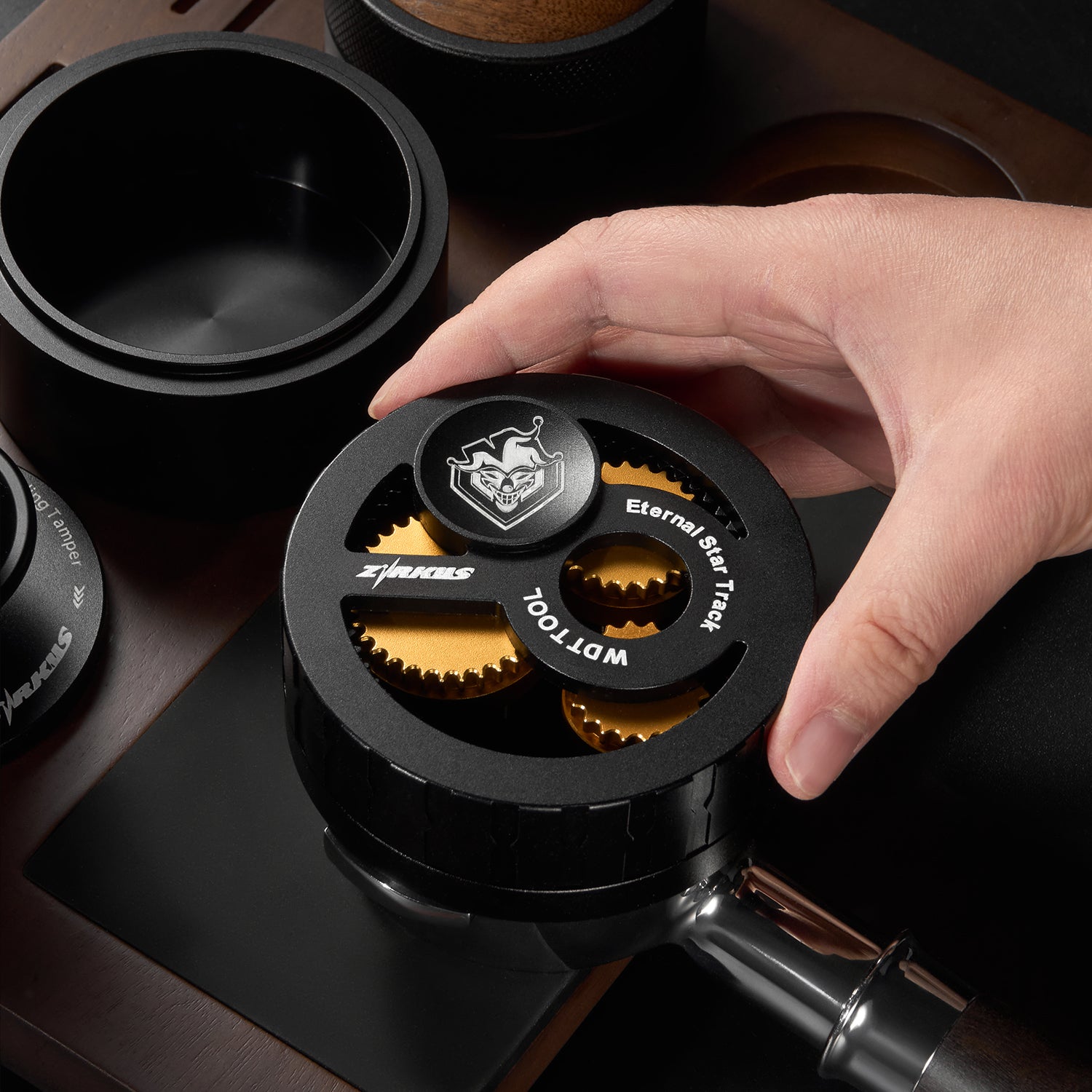
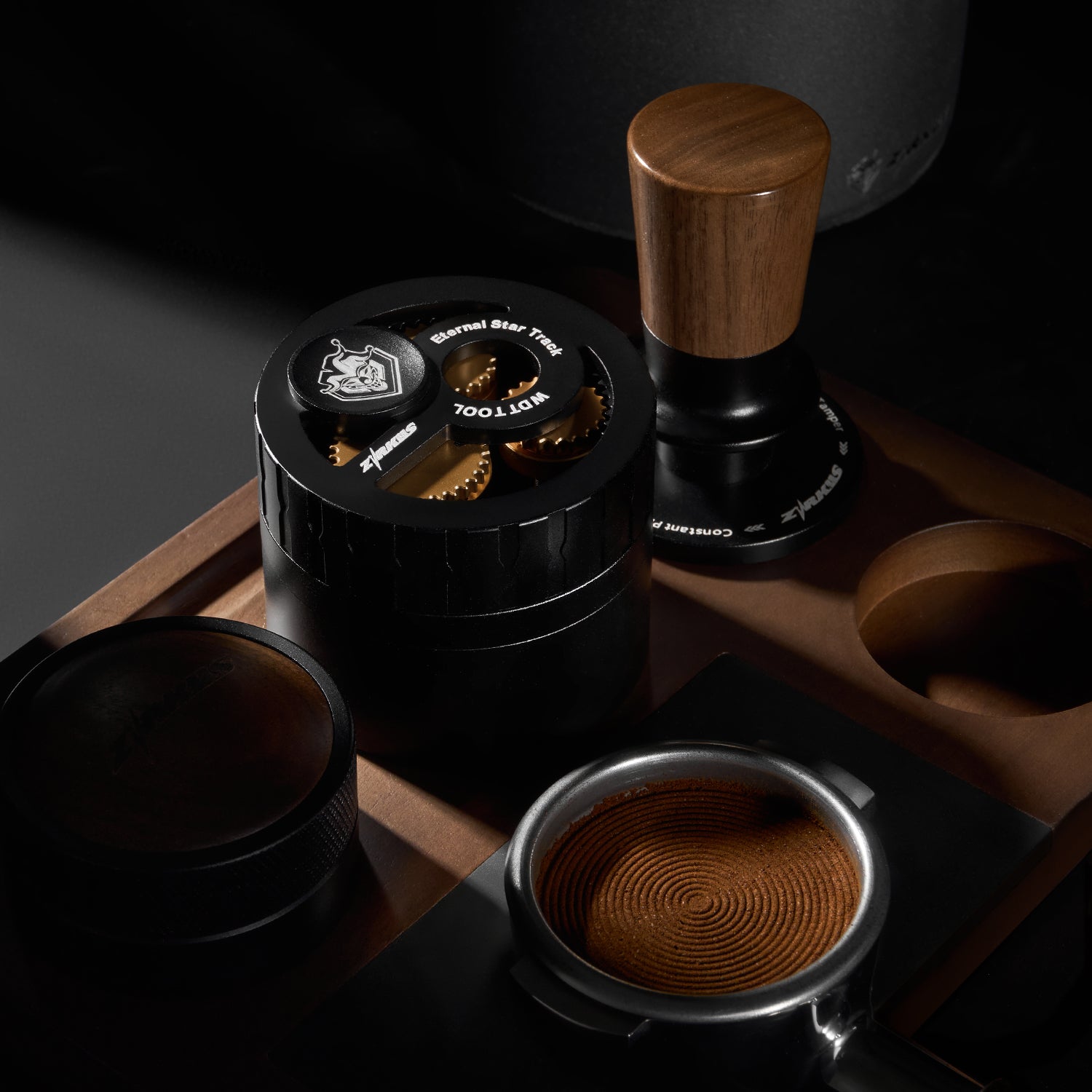
Zirkus Gear Rotation Espresso Coffee WDT Tool
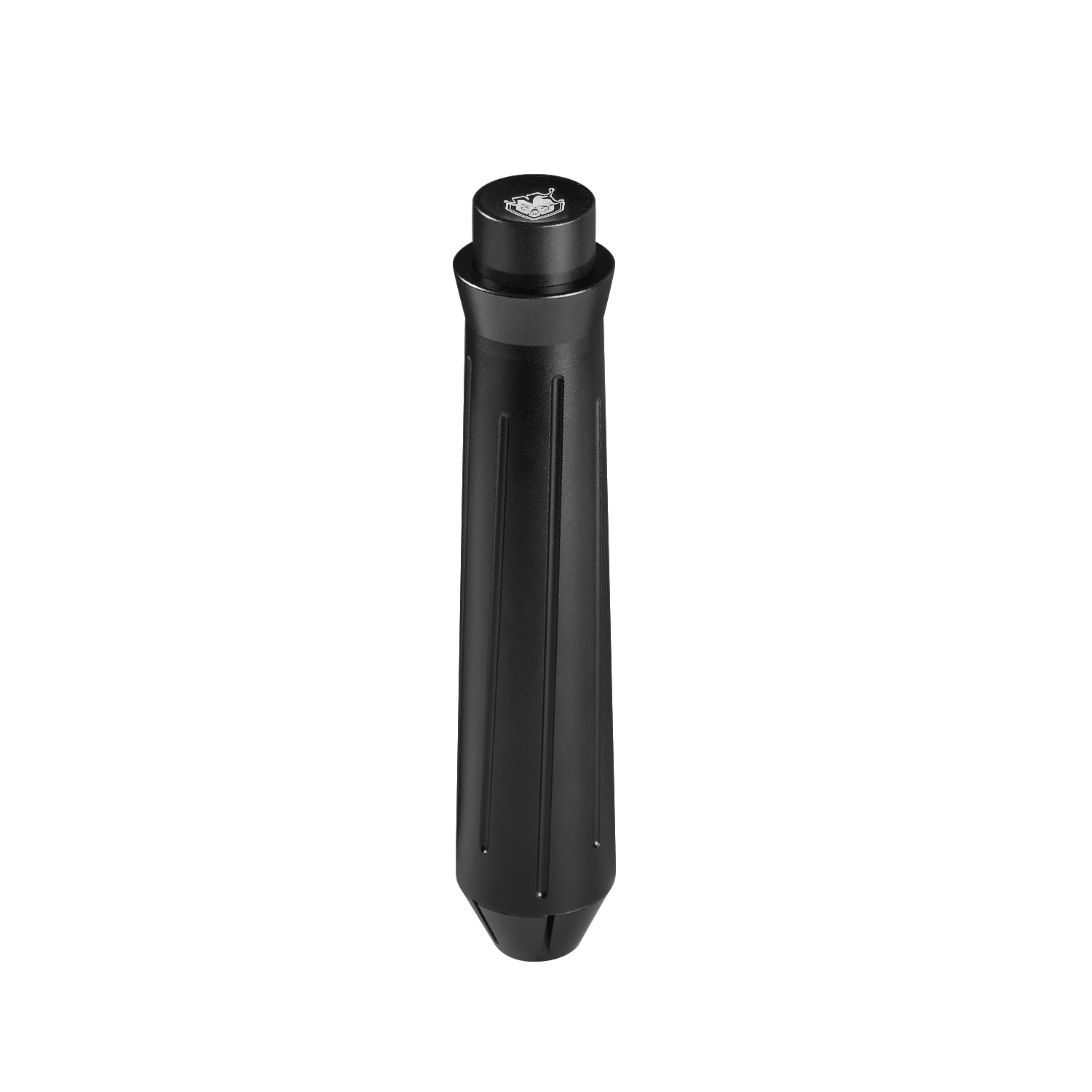
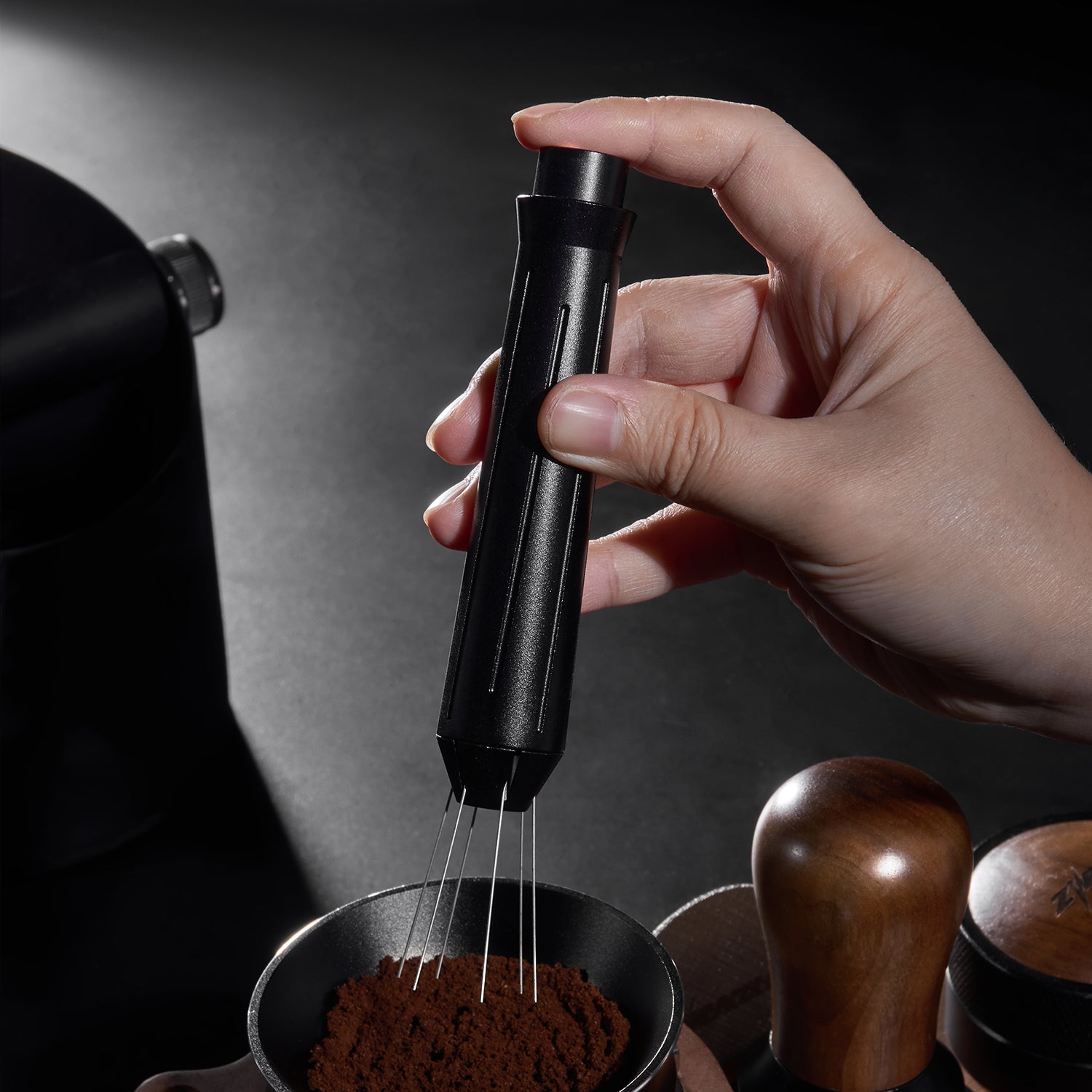
Zirkus Needle Distributor Espresso Coffee Flick WDT Tool
Which WDT Tool Is Right for You?
Manual Needle WDT Tool
A manual needle WDT tool gives users direct control over coffee distribution. It is simple, compact, and suitable for daily espresso preparation at home or in small coffee setups.
Push-Down Rotary WDT Tool
The push-down rotary design allows the needles to rotate while pressing down, making distribution easier and more consistent. It is suitable for users who want a smoother workflow before tamping
Gear Rotation WDT Tool
The gear rotation structure helps move the needles in a controlled pattern, improving coffee bed evenness with less manual effort. It is a good choice for users who want a more stable and repeatable WDT process.
Electric Auto-Rotation WDT Tool
The electric WDT tool uses auto-rotation to distribute coffee grounds quickly and evenly. It is ideal for users who want a faster, more modern espresso preparation workflow with less hand movement.
| WDT Tool Type | How It Works | Best For | Main Benefit | Consideration |
|---|---|---|---|---|
| Manual / Flick WDT | Fine needles are moved by hand through the coffee grounds to break up clumps and improve distribution. | Beginners, home baristas and users who prefer direct control. | Offers flexible movement, precise control and compact storage. | Requires more manual technique and takes slightly longer to use. |
| Push-Down Rotary WDT | Pressing the top activates a rotating needle system that moves through the coffee bed. | Users who want faster and more repeatable daily puck preparation. | Provides simple operation with a consistent rotating movement. | The tool size should match the filter basket or portafilter setup. |
| Gear-Driven Rotary WDT | A manual gear mechanism guides the needles through a controlled circular distribution pattern. | Home baristas who value controlled movement and mechanical precision. | Creates a stable needle path with less variation between uses. | Usually has a larger body and takes up more space on the coffee station. |
| Electric Auto-Rotation WDT | A motorized system rotates the needles automatically through the coffee grounds. | Users who prioritize convenience, speed and minimal hand movement. | Delivers fast, repeatable distribution with less manual effort. | Requires charging or power and should be cleaned around the moving parts. |
Built with Durable Coffee Tool Materials
ZIRKUS WDT tools are made with durable materials designed for daily espresso preparation. Depending on the model, the tools feature stainless steel distribution needles, black metal bodies, aluminum alloy structures, magnetic components, and stable bases. The fine needles help separate clumped coffee grounds, while the solid body design provides better control during distribution.
Modern Black Finish for Espresso Workstations
The ZIRKUS WDT Tool collection features a clean black finish that matches modern espresso machines, portafilters, tampers, and coffee bar accessories. The compact design saves counter space, while the professional appearance makes each tool suitable for home coffee stations, cafés, and barista work areas.
Designed for Even Coffee Grounds Distribution
A WDT tool helps improve espresso preparation by stirring and distributing coffee grounds before tamping. This can help reduce clumps, improve puck evenness, and lower the risk of channeling during extraction. ZIRKUS offers multiple WDT designs, including manual needle tools, push-down rotary structures, gear rotation systems, and electric auto-rotation tools for faster and more consistent distribution.
How to Use a WDT Tool
Using a WDT tool before tamping can help break up clumps, distribute coffee grounds more evenly and reduce the risk of channeling.
- Dose into the basket
Add freshly ground coffee to your portafilter basket. - Insert the needles gently
Place the WDT needles into the coffee bed without scraping the basket. - Distribute from bottom to top
Use small, controlled circular movements through the lower layers, then gradually work toward the surface. - Level the coffee bed
Finish with lighter movements across the top until the grounds look evenly distributed. - Tamp and brew
Remove the WDT tool, tamp the coffee evenly and begin extraction.
For a more detailed explanation of WDT technique, needle movement and common mistakes, read our complete guide.
FAQS
What does a WDT tool do, and can it help reduce channeling?
A WDT tool uses fine needles to break up clumps and distribute coffee grounds more evenly before tamping. This can help reduce the risk of channeling and support a more even extraction. However, results also depend on grind size, dose, basket preparation and tamping technique.
Which WDT tool should I choose?
Choose a manual or flick WDT tool if you prefer direct control and compact storage. A push-down rotary tool is better for a faster, repeatable daily workflow, while a gear-driven model offers more controlled needle movement. An electric auto-rotation WDT tool is ideal for users who want convenient distribution with less manual effort.
How do I use a WDT tool correctly?
Insert the needles gently into the coffee bed and use small, controlled movements to distribute the grounds from the lower layers toward the surface. Finish with lighter movements to level the top, then remove the tool and tamp evenly. Avoid pressing or scraping the needles aggressively against the basket.
Will every WDT tool fit my portafilter basket?
Not always. Handheld manual WDT tools can usually be used with different basket sizes, but rotary, gear-driven and electric models may be designed for a specific diameter, such as 58mm. Always check the product dimensions and basket compatibility before ordering.
What is the ideal needle thickness for an espresso WDT tool?
The ideal needle thickness for an espresso WDT (Weiss Distribution Technique) tool is 0.30 mm to 0.4 mm, as needles thicker than 0.4 mm tend to push coffee grounds around and cause channeling rather than breaking up clumps.
Does a WDT tool replace a coffee distributor or tamper?
No. A WDT tool is used first to break up clumps and improve distribution inside the coffee bed. You should still tamp the coffee afterward to create a level, compressed puck. A separate surface distributor is optional depending on your preferred puck-preparation workflow.
Blog posts

What size portafilter is Breville Barista Express?
The Breville Barista Express BES870 uses a 54 mm portafilter rather than the common commercial 58 mm size. This guide explains how to verify the size, compare basket types, and choose a compatible ...
Read more
Is a Bottomless Portafilter Better?
A bottomless portafilter provides a clear view of espresso extraction, making it easier to identify channeling and improve puck preparation. However, it does not automatically produce better-tastin...
Read more
What Size Portafilter is in the Breville Bambino? A 54mm Fit Guide
The Breville Bambino BES450 and Bambino Plus BES500 both use a 54mm portafilter. This article explains the difference between 54mm and other common sizes, why not every 54mm replacement will fit, a...
Read moreJoin us
@zirkuscoffee