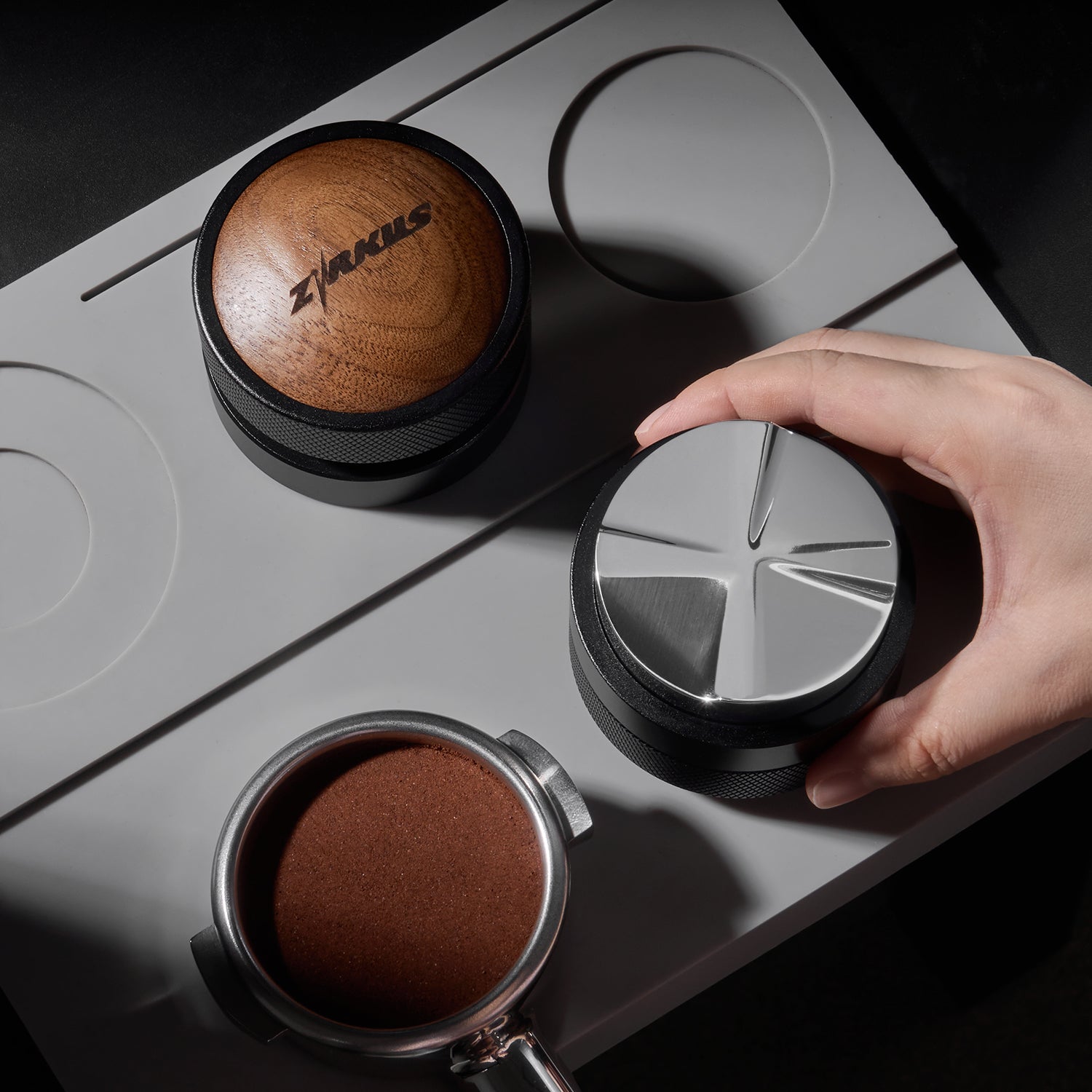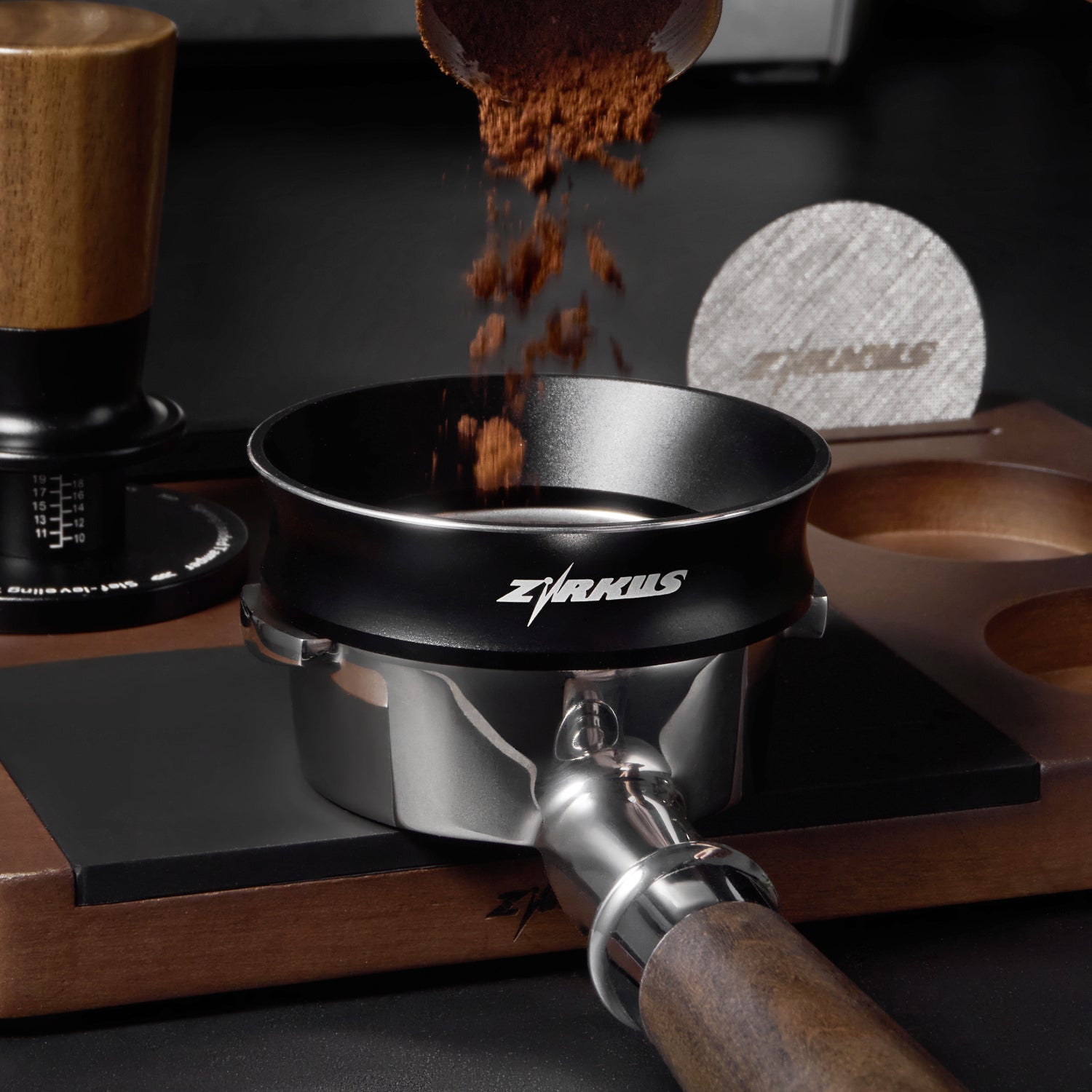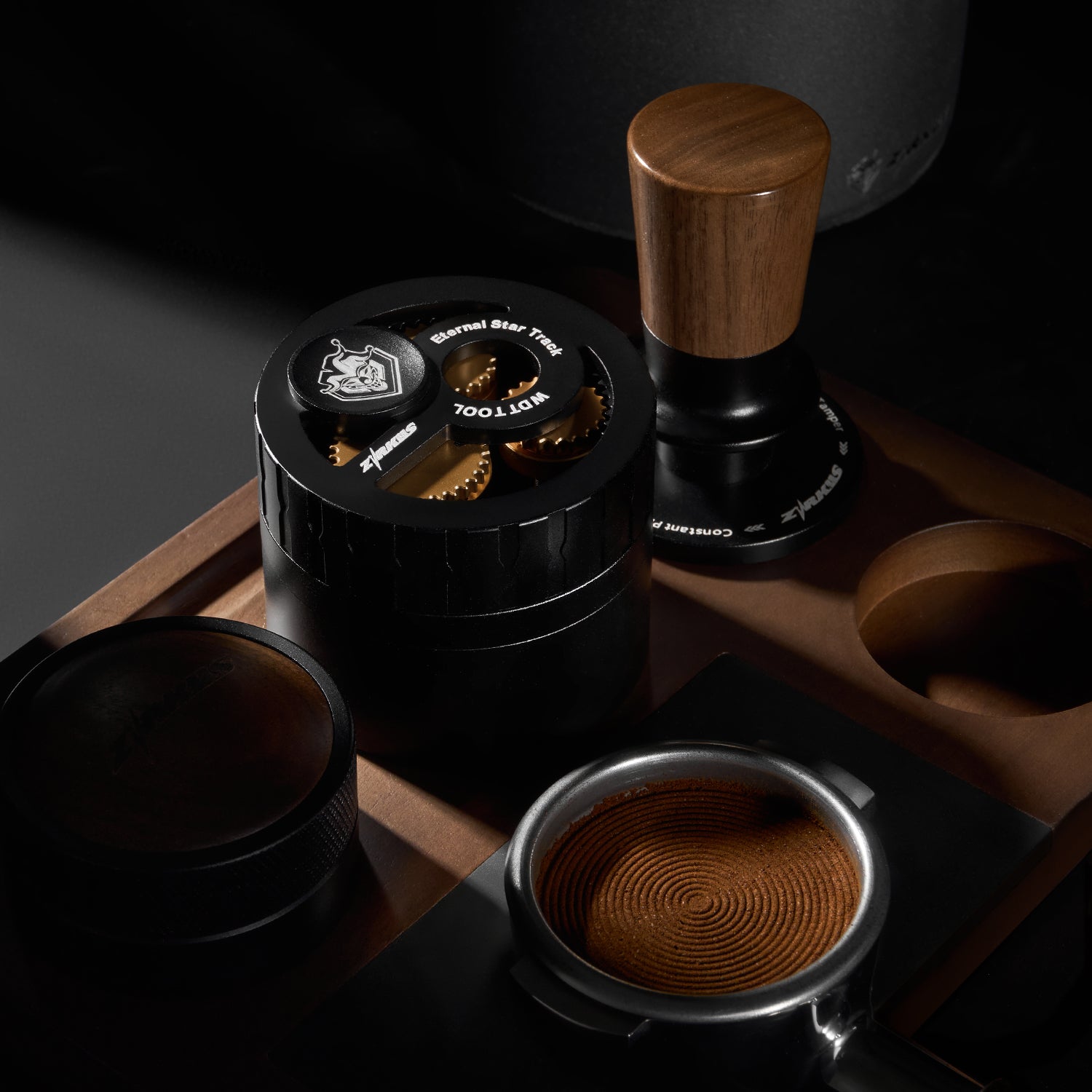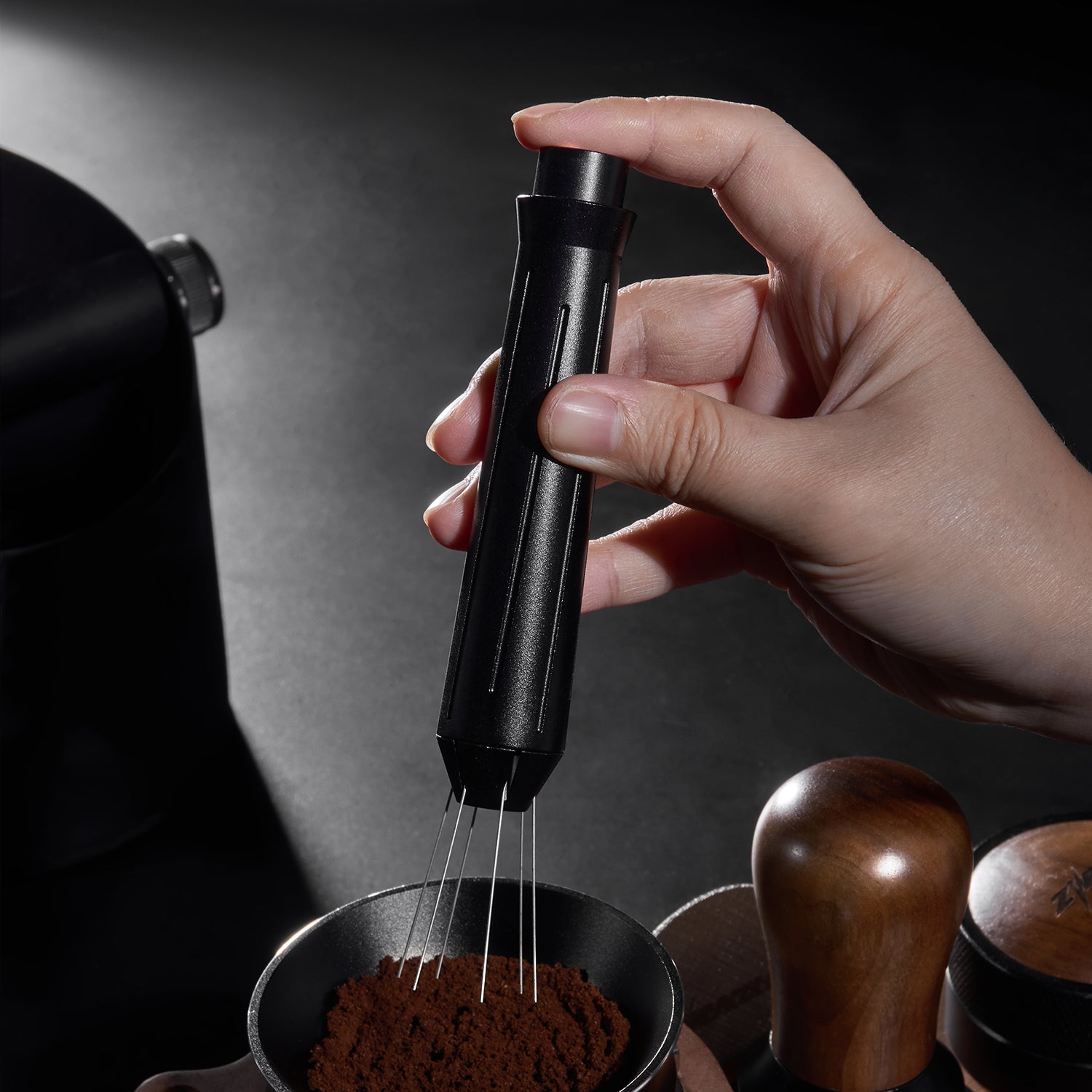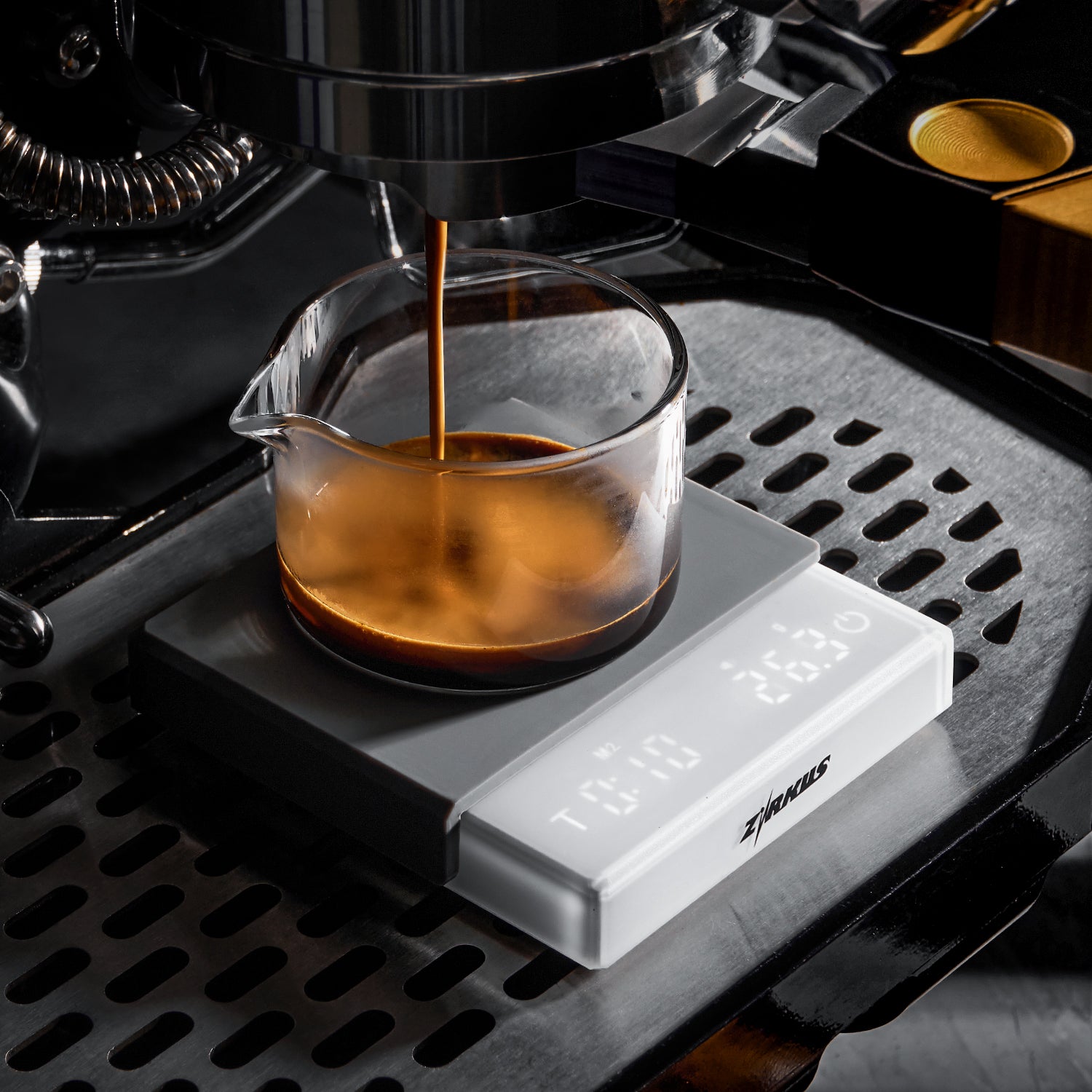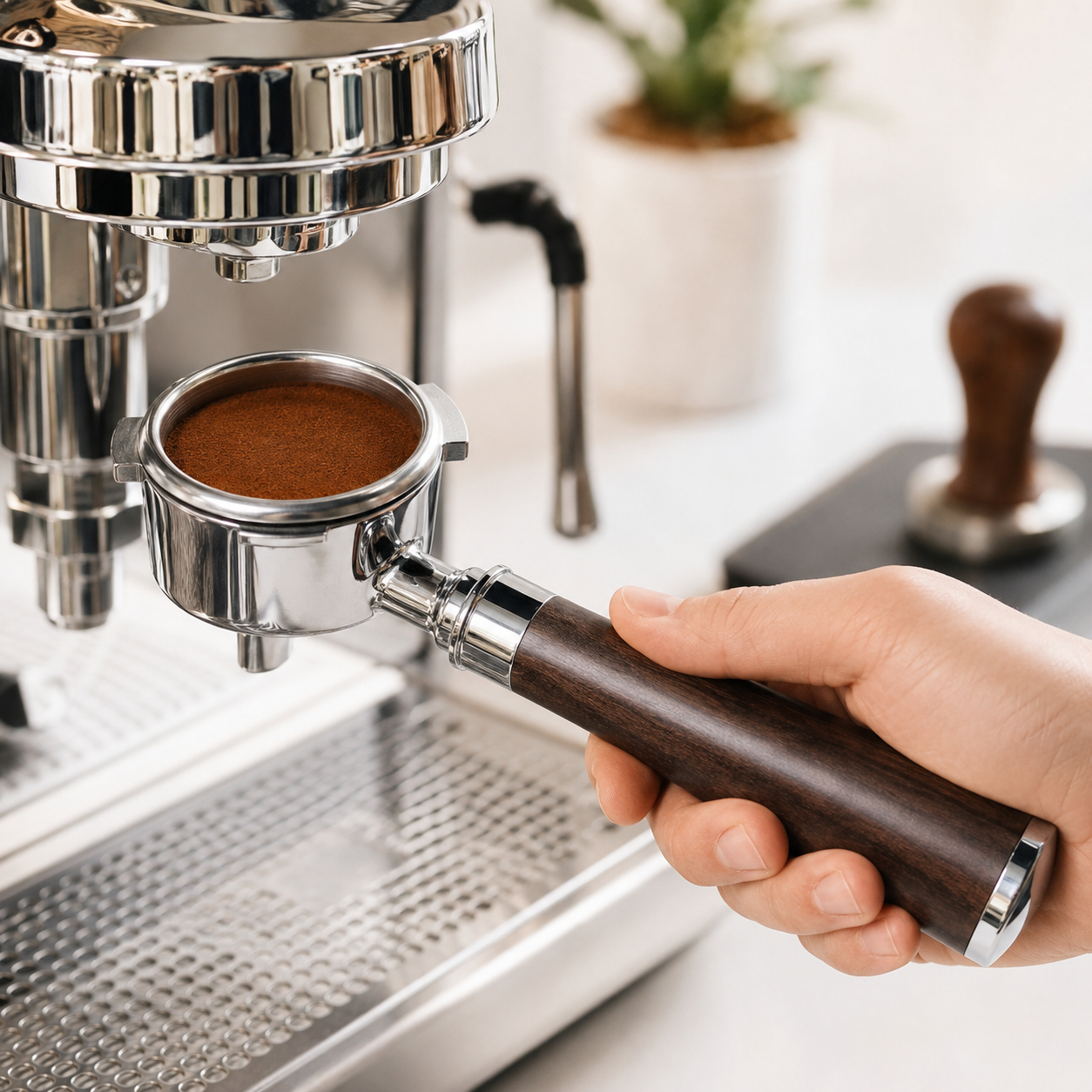
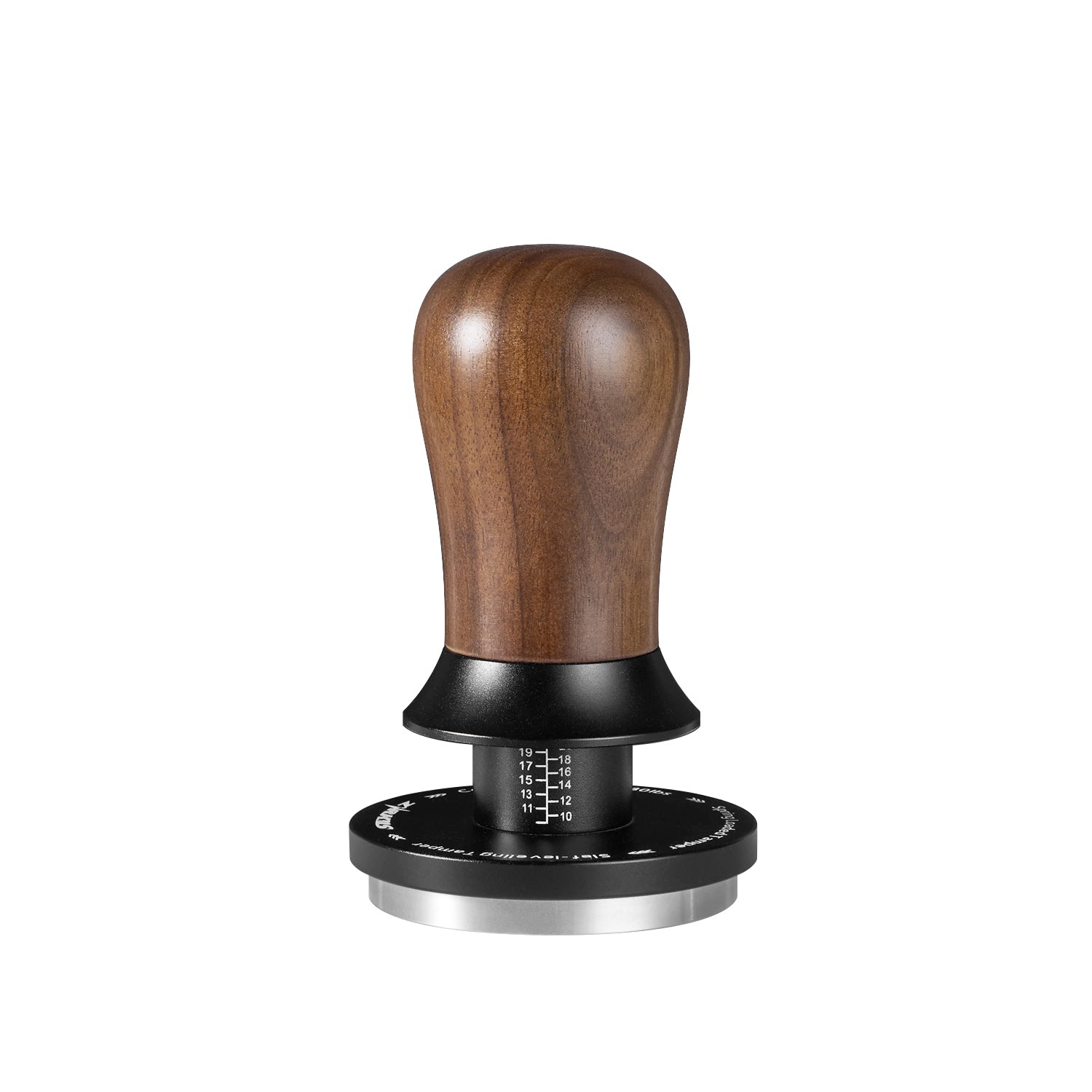
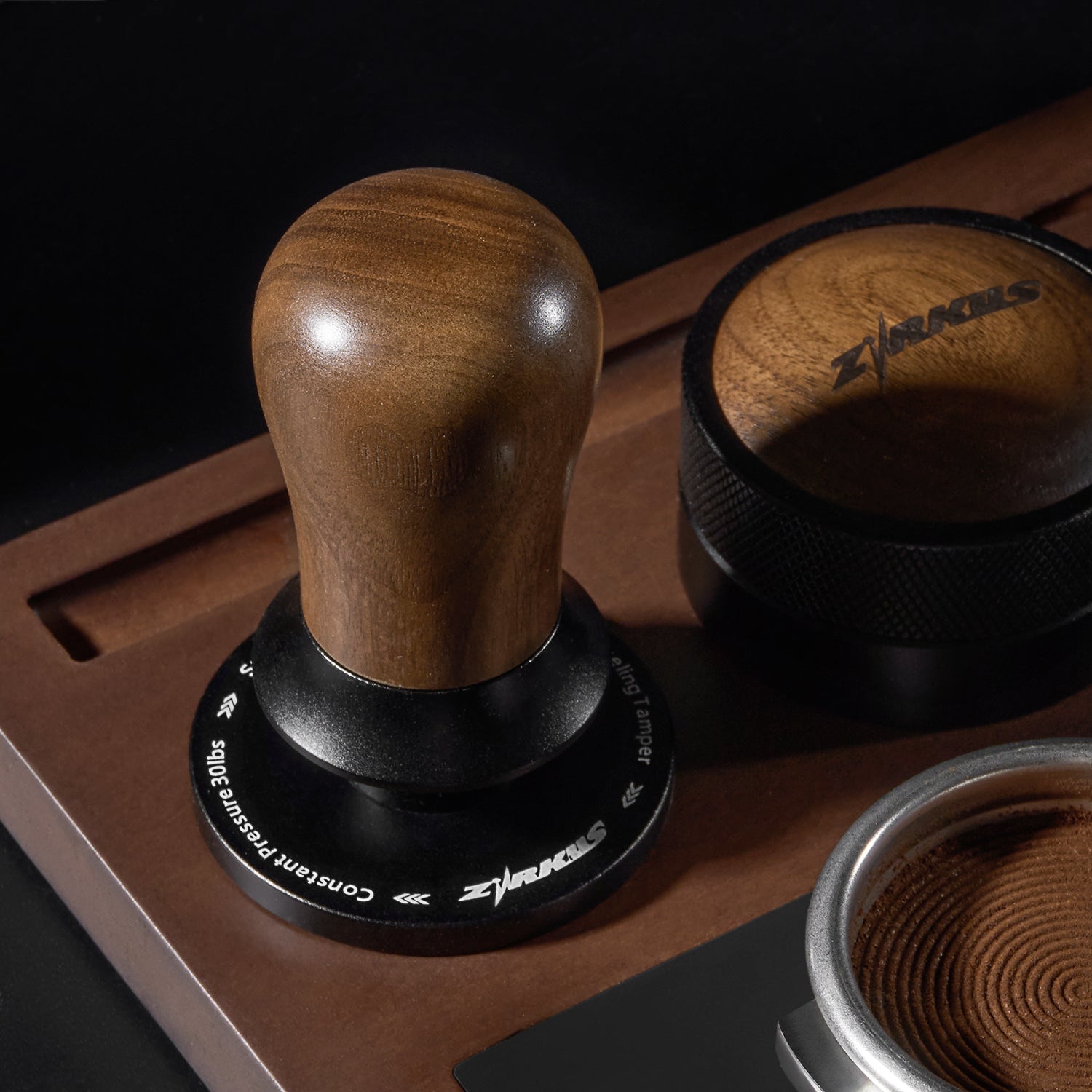
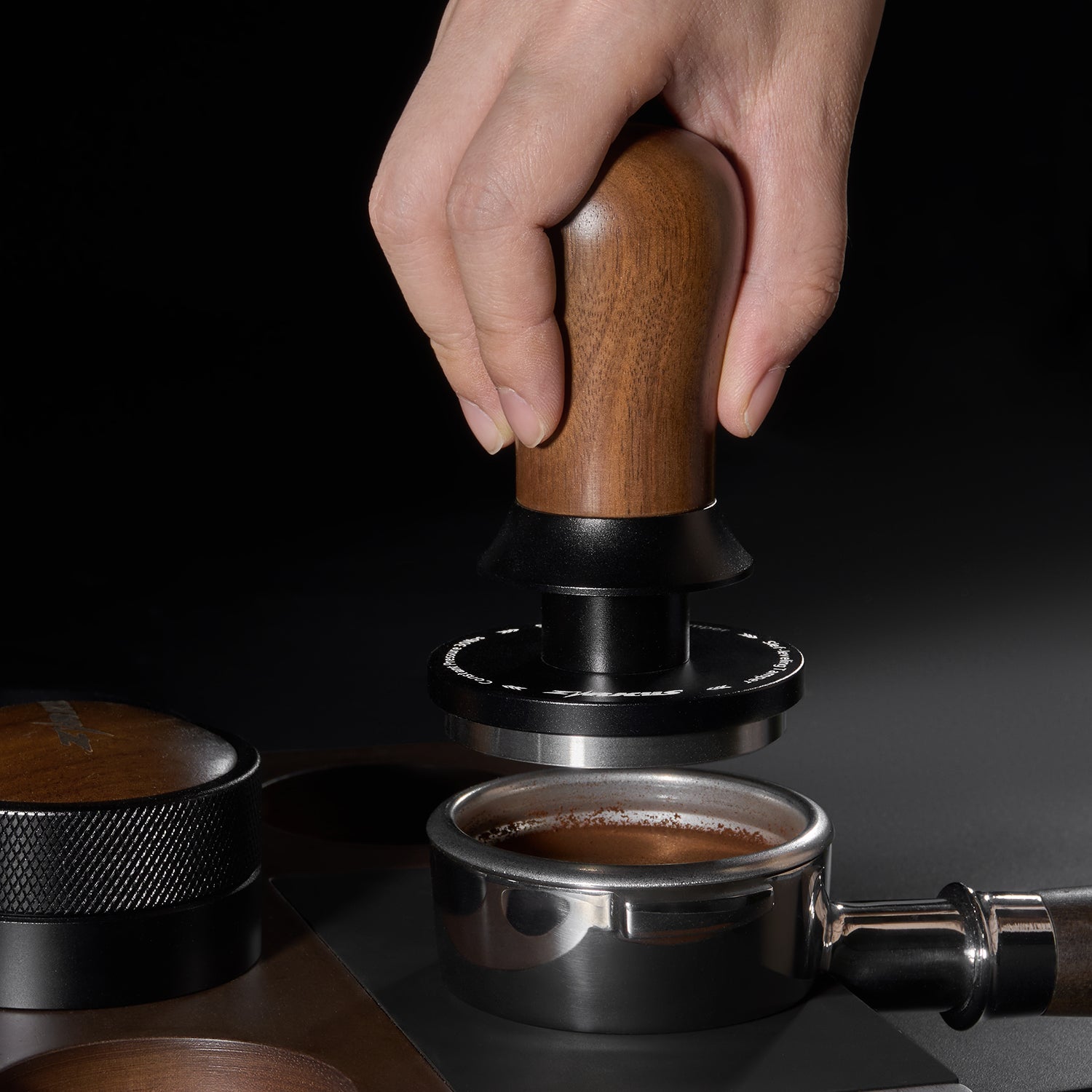
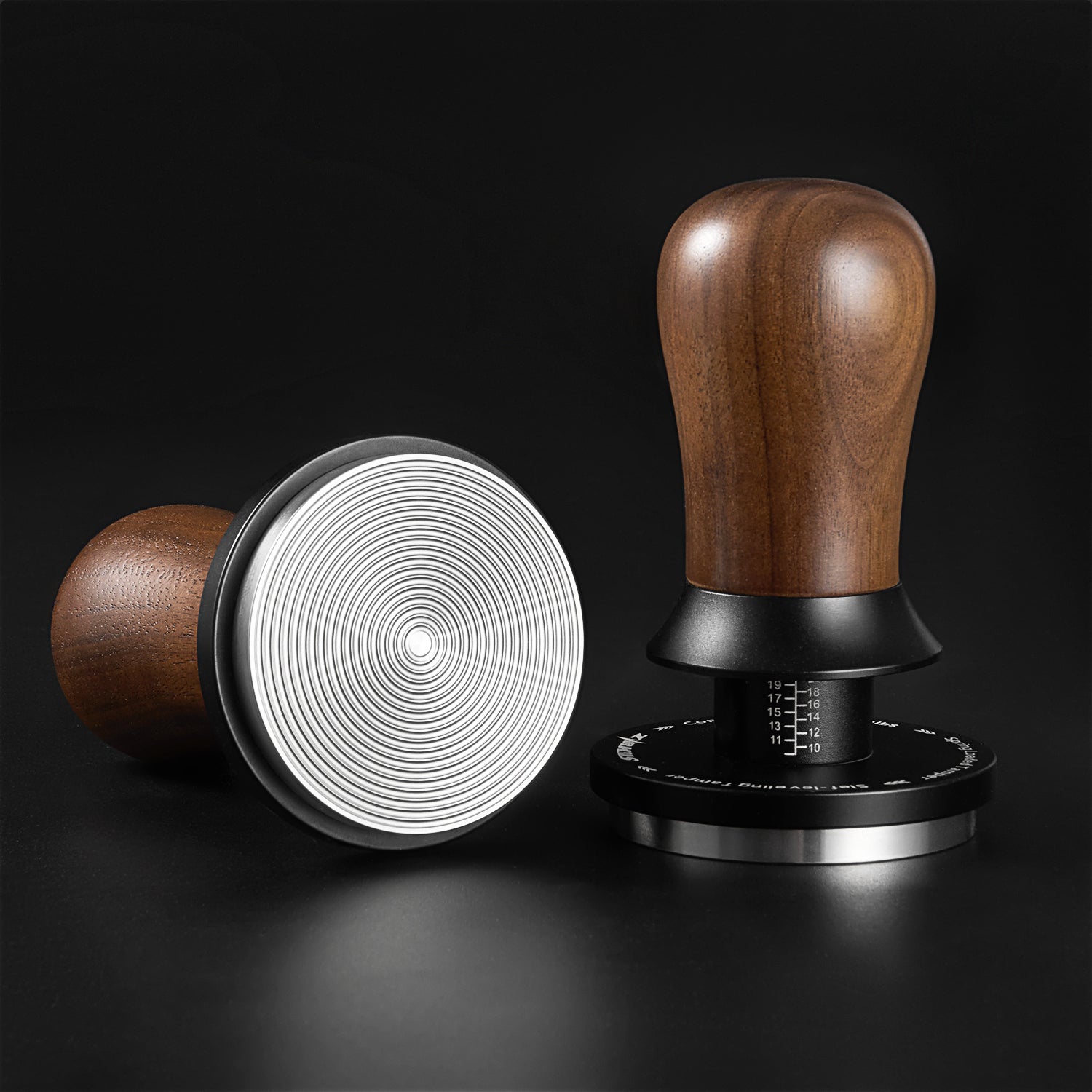
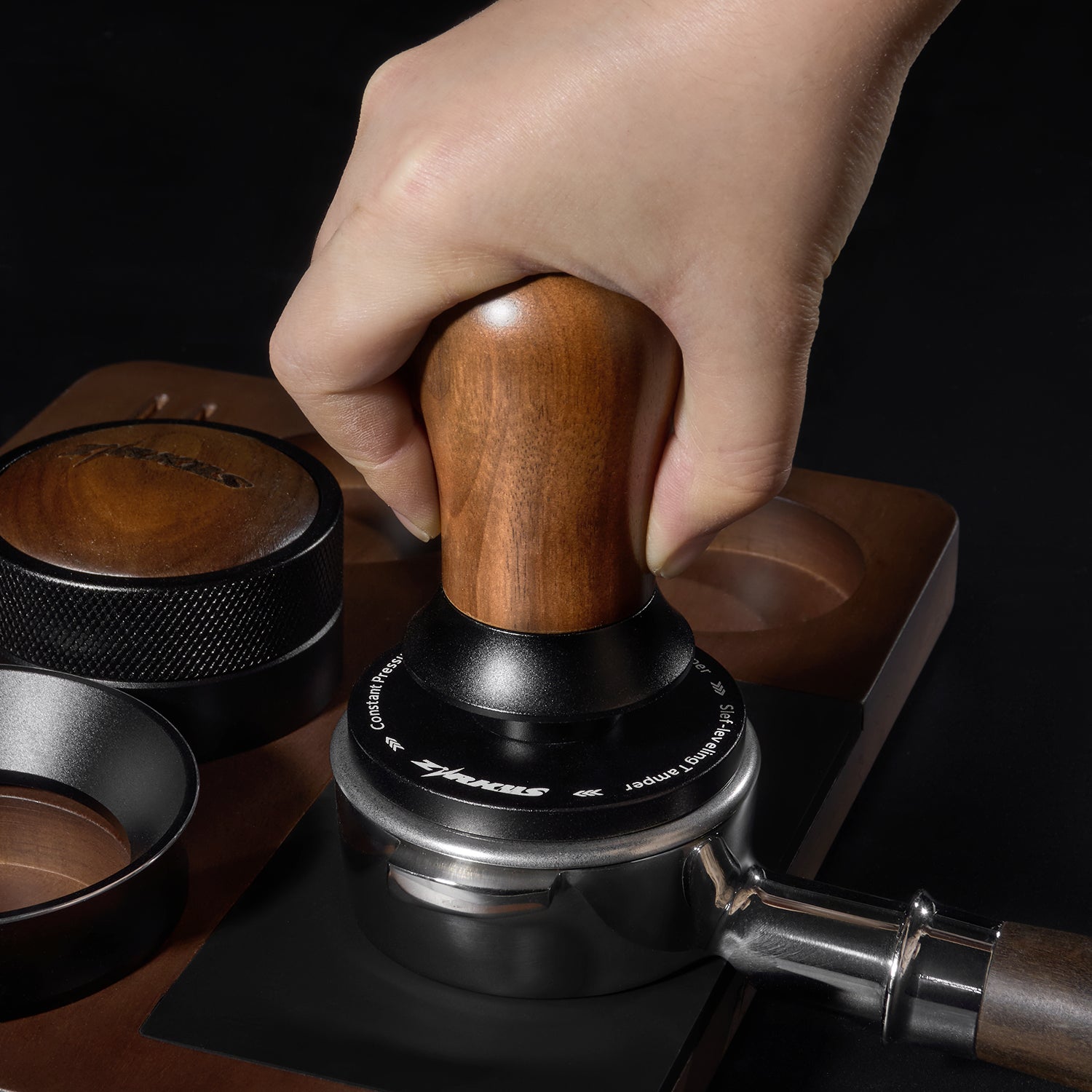
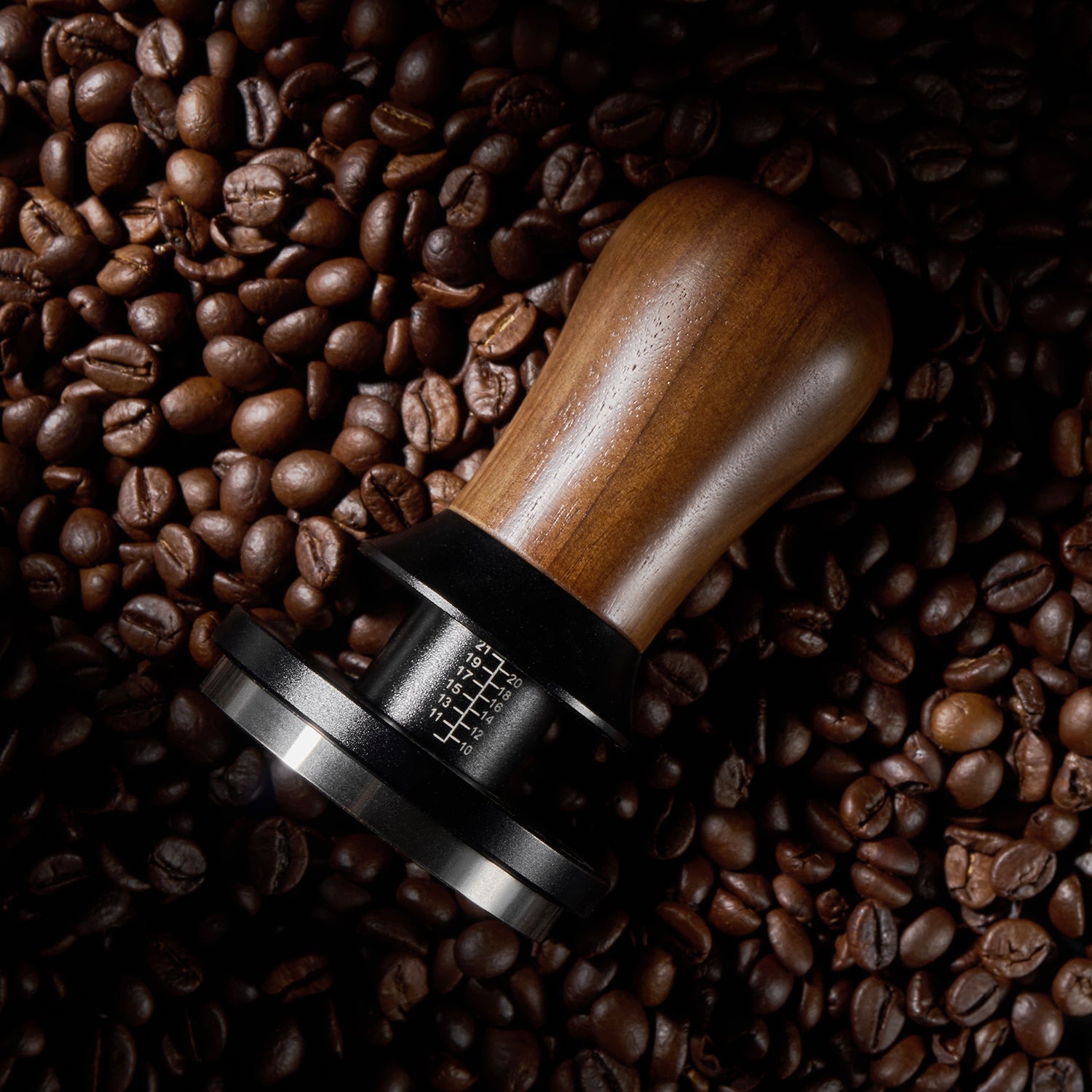
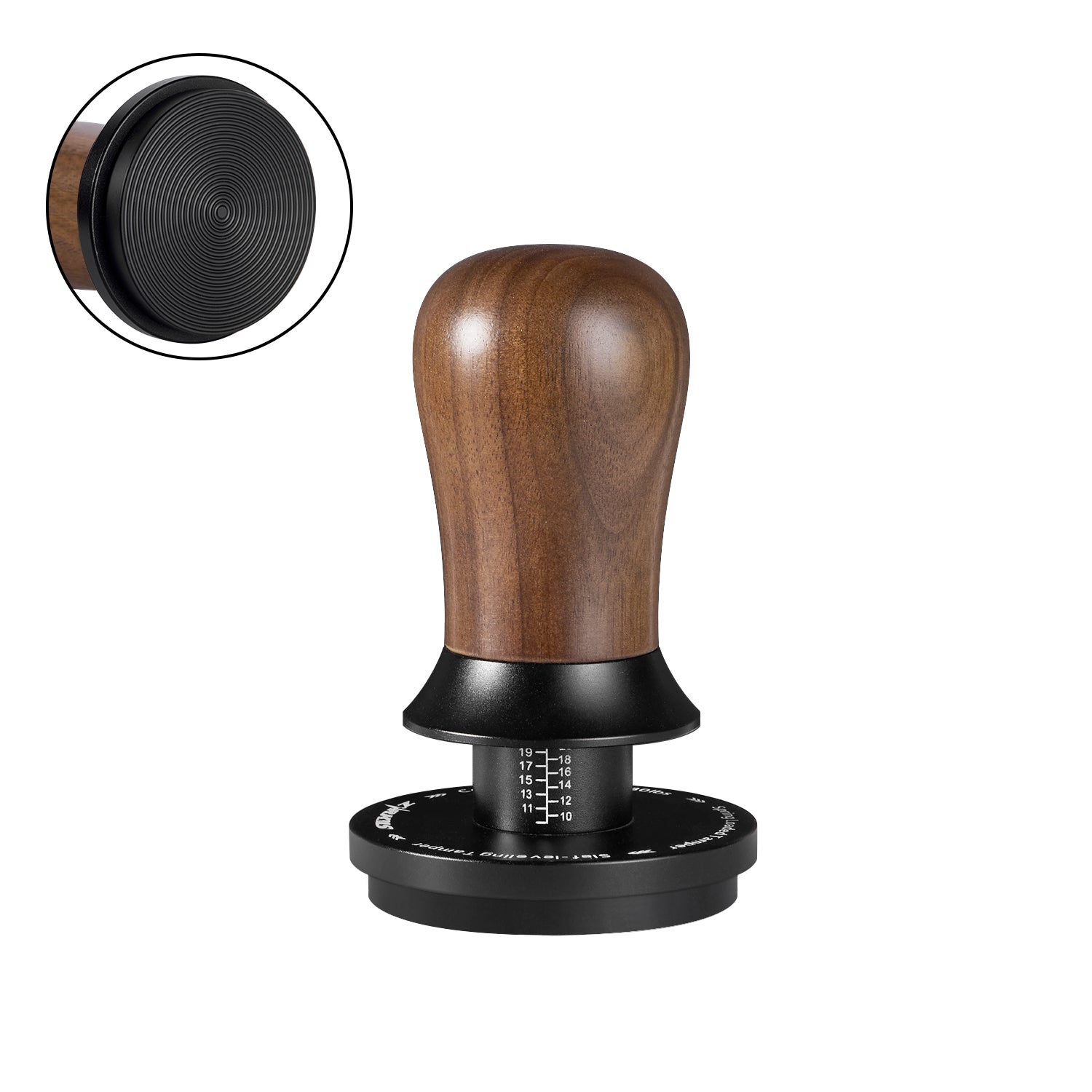
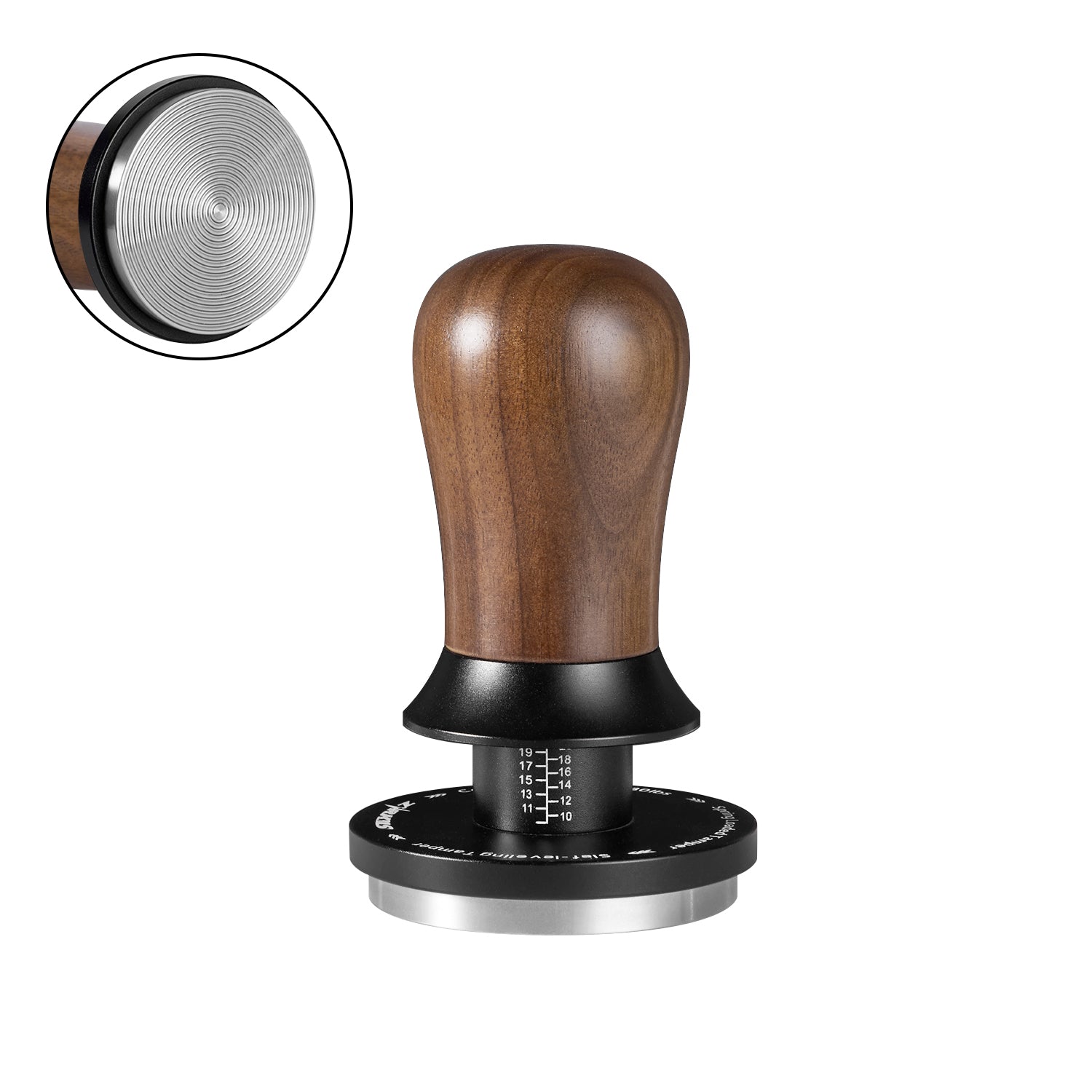
Zirkus Self-leveling Espresso Tamper with Calibrated Spring Loaded
Built-in Dual Springs for Optimal Pressure
Self-leveling Function for Uniformity
Ergonomic Walnut Handle
Ripple Base with Dual Color Options
Food-Grade Materials for Safety
Choose options
Zirkus Self-leveling Espresso Tamper with Calibrated Spring Loaded
FREE SHIPPING on all orders over $45.99
Discover our products
Need help?
Frequently Asked Questions
Please select the correct tamper according to your coffee machine’s portafilter model. There are three main types of portafilters available on the market.
The first type is the 51 mm portafilter, represented by Delonghi. All Delonghi coffee machine models use a 51 mm portafilter, so you need a 51 mm tamper.
The second type is the 54 mm portafilter, represented by Breville/Sage. Their Series 5, Series 6, Series 7 and Series 8 machines all use a 54 mm portafilter. In fact, the portafilter basket measures 53.7 mm, which is why the Zirkus Tamper comes in 53 mm for a precise fit. Note that Breville/Sage Series 9 machines (920, 980, 990) feature a 58 mm portafilter, for which you will need our 58 mm tamper.
The third type is the 58 mm portafilter, which covers multiple variants including E61‑style, 3-ear portafilter, slanted 2-ear, etc. Nevertheless, these portafilter baskets generally have an actual dimension of 58.7 mm, making our Zirkus 58 mm tamper the suitable choice.
Yes. A 53mm tamper is commonly used with many nominal 54mm filter baskets because the usable internal diameter of the basket is smaller than its outer size. Compatibility can still vary between machines and baskets, so check the basket’s internal diameter before choosing.
A self-leveling tamper uses a guide plate or collar that rests against the top of the filter basket while the base moves downward. This helps keep the tamper more level and reduces the risk of pressing the coffee bed at an angle.
Not necessarily, A specific pressure number is less important than creating a level, fully compressed coffee puck with a repeatable technique. Calibrated or spring-loaded tampers can help provide more consistent pressure, but proper coffee distribution and a level tamp are still essential.
Yes. Break up clumps and distribute the grounds evenly before tamping. A WDT tool or coffee distributor can help reduce uneven density inside the basket, while the tamper compresses the prepared coffee bed into a level puck.
The internal spring provides resistance during tamping and helps the user repeat a similar pressing motion each time. Follow the product instructions and press vertically until the mechanism reaches its intended stopping or feedback point.
Wipe the tamping base with a soft, slightly damp cloth after use and dry it thoroughly. Do not immerse spring-loaded mechanisms or wooden components in water. Avoid abrasive cleaners, and regularly remove coffee grounds from gaps around the base and leveling plate.
Join us
@zirkuscoffee