
What is a Knock Box? Uses, Parts, and Home Espresso Benefits
What is a Knock Box?
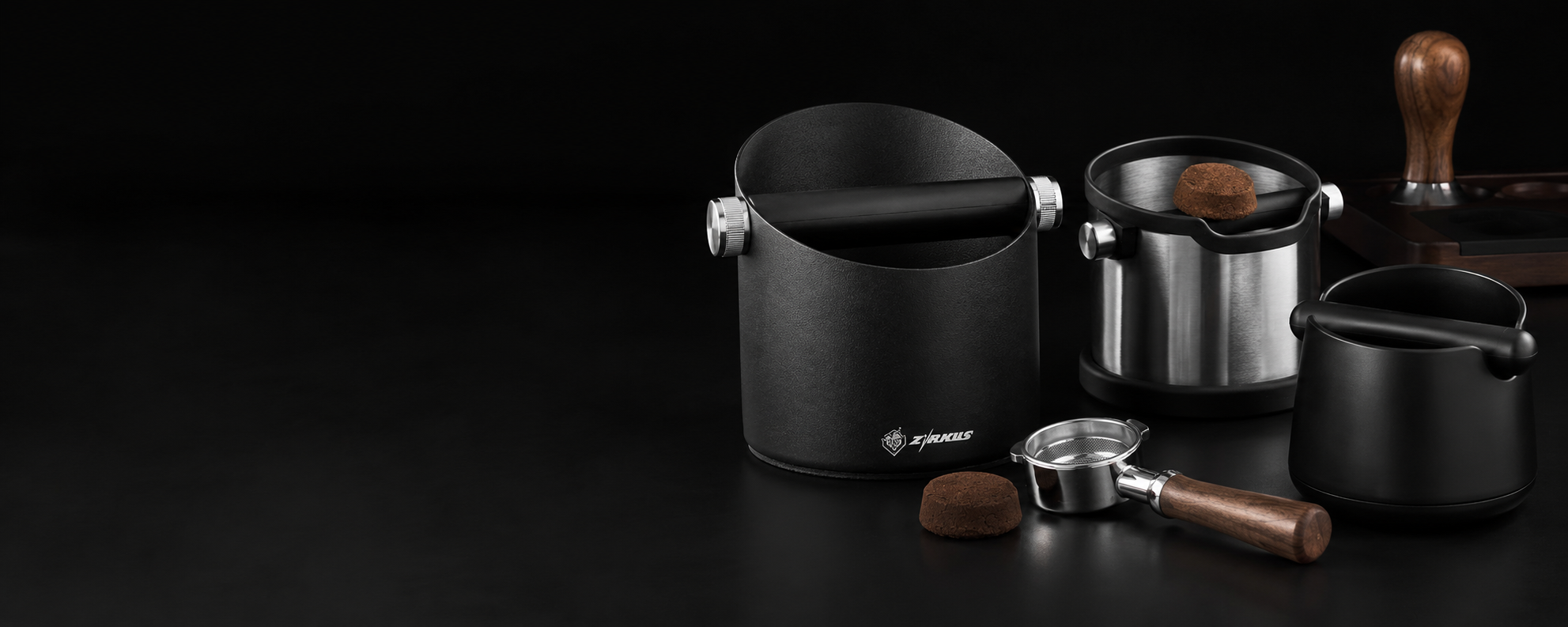
A knock box is a coffee accessory used to collect spent espresso grounds after brewing. It is usually a small bin with a sturdy knock bar across the top, so you can tap the portafilter and release the used coffee puck cleanly.
In simple terms, a coffee knock box is where the espresso puck goes after the shot is finished. Instead of scraping wet coffee grounds into a trash bin or rinsing them into the sink, you knock them into a dedicated container designed for that exact job.

For anyone building a home espresso setup, the knock box is one of those tools that looks optional at first but quickly becomes part of the daily routine. It keeps the bar area cleaner, protects the portafilter from awkward tapping, and makes the whole espresso workflow feel more controlled.
Direct answer: a knock box is a coffee accessory used to collect used espresso grounds after brewing. It usually has a knock bar that lets users tap the portafilter basket clean.
What is a Knock Box Used For?
A espresso knock box is used to remove the used espresso puck from a portafilter after extraction. When espresso is brewed, finely ground coffee is compacted into a basket inside the portafilter. Hot water is then pushed through the coffee bed under pressure, leaving behind a dense, wet puck of used grounds.
That puck needs to go somewhere. A knock box gives it a clean destination.
Without a knock box, many people tap the portafilter against the edge of a trash bin, scrape the puck out with a spoon, or rinse the grounds into the sink. These methods work in a basic sense, but they are messy, slower, and not ideal for your equipment or plumbing. Wet coffee grounds can scatter across the counter, stick to the basket, or create cleanup work right when you want to prepare the next shot.
A knock box is mainly used for espresso, not general drip coffee. Drip coffee grounds are usually held in a paper filter, metal filter, or brew basket. Espresso grounds, by contrast, are packed tightly inside a portafilter basket, which is why a knock bar is useful.
What is a Knock Box Made Of?
A knock box can be made from several materials, and each one changes the feel, durability, sound, and appearance of the tool.
1. Stainless steel knock boxes are popular because they are durable, easy to wipe clean, and visually match many espresso machines. They usually feel more premium and can handle frequent use well. A stainless steel body is also a strong choice for cafés, offices, and serious home baristas who make several drinks per day.
2. Iron knock boxes are often chosen for strength and stability. They can feel heavier on the counter, which helps reduce movement when you tap the portafilter. The main thing to check is the coating or surface treatment, because exposed iron can be more sensitive to moisture than stainless steel.
3. Plastic knock boxes are lighter, usually more affordable, and easy to move around. They are practical for beginners, small kitchens, and occasional espresso drinkers. The tradeoff is that cheap plastic models may feel less stable, especially if the base is narrow or the knock bar is poorly supported.
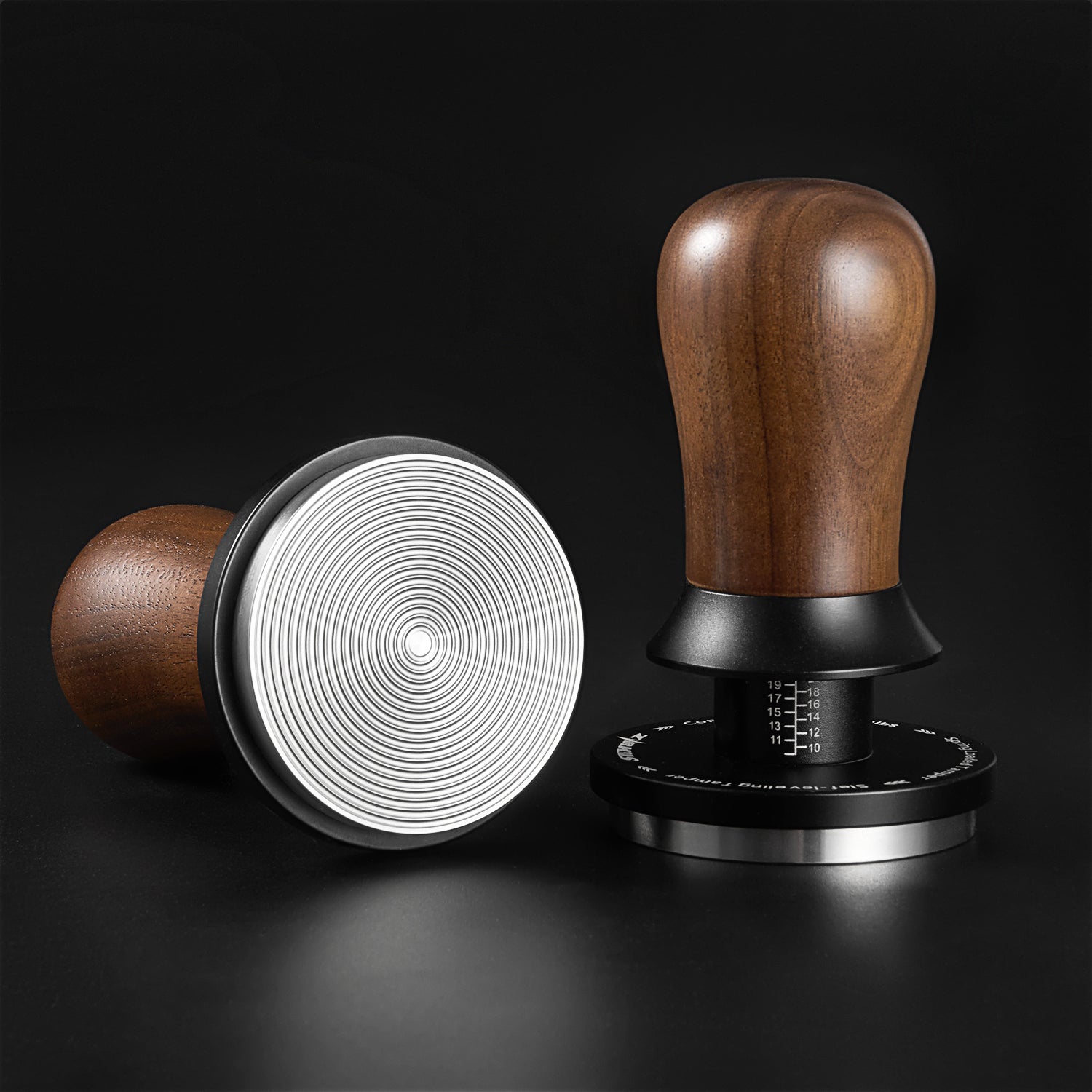
4. A wood tamping station with knock box combines puck disposal with a preparation area. This type of design often includes a place to rest the portafilter, tamp coffee, and knock out the puck in one compact station. It is especially useful when you want your espresso tools to look organized rather than scattered around the machine.
At Zirkus, we usually look at knock box design from both a workflow and product-development perspective. A good knock box is not only a container. It needs the right material, stable base, removable or easy-clean structure, and a knock bar that feels solid without being harsh on the portafilter.
What is the Knock Bar in a Knock Box?
The knock bar is the part of the knock box that the portafilter taps against. It is the working center of the product.
A good knock bar needs to do three things at once. First, it must be strong enough to handle repeated knocking. Second, it should have enough cushioning to reduce sharp impact. Third, it should sit at a practical height and position so the puck drops into the bin rather than bouncing out.
Many knock bars are covered with rubber or silicone. This cushioning helps soften the sound and reduce metal-on-metal contact. It also helps protect the portafilter, especially if you are using a stainless steel, brass, or custom wooden-handle portafilter that you want to keep looking good.
Removable knock bars are useful because they make cleaning easier. Coffee oils, moisture, and fine grounds can collect around the bar after repeated use. If the bar lifts out, you can rinse the inner vessel more thoroughly and avoid stale coffee residue.
How does a Knock Box Work?
A espresso machine knock box works through a simple mechanical action. You use the knock bar as a firm tapping surface, and the impact loosens the compacted espresso puck from the portafilter basket. Gravity does the rest.
It is a small tool, but the design matters. A narrow opening can cause splatter. A weak bar can feel unstable. A lightweight base can slide around the counter. A better knock box gives you a wide enough target, enough depth to hold several pucks, and a stable base that stays in place.
How to Use a Knock Box Step by Step
-
Hold the portafilter after pulling an espresso shot. Keep your grip firm, because the basket and metal parts may still be warm.
-
Turn the basket toward the inside of the knock box. Aim the puck toward the center of the container, not the edge.
-
Tap the portafilter against the knock bar. You do not need to smash it. A controlled, confident tap is usually enough.
-
Let the used coffee puck fall into the knock box. If the puck sticks, tap once more or check whether your basket is too wet, too dry, or overfilled.
-
Wipe or rinse the basket before the next shot. This removes leftover grounds and helps prepare a cleaner coffee bed for the next extraction.
How a Knock Box Helps with Espresso Workflow
A espresso coffee knocking box improves workflow because it keeps the puck removal step quick and predictable. This matters more than it sounds.
When you make one espresso, a few scattered grounds are annoying. When you make three cappuccinos in a row, they become a mess. When you run a small café or office coffee corner, they become a process problem.
A knock box lets you move smoothly from extraction to cleanup to the next dose. The portafilter goes from machine to knock box, then back to prep. No trash-bin shuffle. No spoon scraping. No coffee sludge in the sink. It is like having a landing zone for used grounds.
What is the Difference Between a Knock Box and a Trash Bin?
A knock box is designed specifically for espresso pucks. A trash bin is not.
The biggest difference is the knock bar. A knock box gives the portafilter a cushioned, stable surface to tap against. A trash bin only gives you an edge, which may be too sharp, too soft, too low, or too dirty. If the edge is hard plastic or metal, it can scratch the portafilter. If the edge is flexible, it may not release the puck cleanly.
There is also a hygiene and workflow difference. A knock box sits near the espresso machine and holds only coffee grounds. A trash bin holds mixed waste. You probably do not want to bring your portafilter close to food scraps, packaging waste, or other kitchen trash every time you finish a shot.
A coffee ground knock box also makes it easier to collect used grounds for composting. The U.S. Environmental Protection Agency lists coffee grounds and paper filters as suitable nitrogen-rich materials for backyard composting when balanced with carbon-rich materials such as dry leaves, cardboard, or shredded paper. That makes a dedicated coffee-ground container more useful than a mixed trash bin.
What is the Difference Between a Knock Box and a Coffee Grounds Container?
A coffee grounds container stores grounds. A knock box removes espresso pucks.
That difference sounds small, but it matters in daily use. A basic grounds container may be a jar, compost bin, small bucket, or countertop canister. It can hold used coffee, but it does not give you a proper tapping surface. You still need to scrape, shake, or bang the portafilter against something else.
A coffee puck knock box includes a knock bar. That single feature turns a storage container into an espresso workflow tool. It lets you remove the puck and store it in one action.
This is why not every coffee waste container should be called a knock box. If it has no knock bar, it may be useful, but it is not doing the core job of a knock box.
Why do Home Baristas Use a Knock Box?
Home baristas use a knock box because espresso gets messy fast. A good shot may look elegant in the cup, but behind the scenes you are dealing with wet grounds, hot metal, and a compact puck that does not always want to leave the basket.
The first benefit is a cleaner counter. Instead of leaving grounds near the grinder, sink, and machine, you keep them in one place.
The second benefit is easier puck removal. A knock bar gives you the right surface and angle, so you do not have to dig into the basket.
The third benefit is speed. If you make espresso every morning, shaving small bits of friction from the routine makes the experience more enjoyable. The tool does not make your espresso taste better directly, but it helps you keep the preparation area organized enough to focus on the things that do affect flavor, such as dose, grind size, distribution, tamping, and extraction time.
The fourth benefit is presentation. Many home espresso stations are also part of the kitchen design. A stainless steel knock box, iron knock box, or wood tamping station with knock box can make the setup look intentional rather than improvised.
Do you need a Knock Box for Espresso?
You do not strictly need a knock box to make espresso. Your machine will still brew without one. But if you make espresso regularly, a knock box is one of the most practical accessories you can add.
You may not need a knock box if you only pull espresso occasionally, have very limited counter space, or already have a cleaning routine that works well. For example, if you make one shot every few weeks, you might be comfortable emptying the puck directly into the trash.
You should consider a knock box if you make espresso daily, prepare multiple drinks at a time, share a coffee station with other people, or want to reduce mess around the machine. It becomes more useful as your shot volume increases.
Think of it like a cutting board in a kitchen. You can technically cut fruit on a plate, but the right surface makes the task easier, cleaner, and safer for your tools.
What Size Knock Box is Best for Home Wse?
The best knock box size for home use depends on counter space and how many espresso shots you make each day.
A small knock box is usually enough for one or two people. It takes up little space and is easy to empty. This is a good choice for compact kitchens or entry-level espresso setups.
A medium knock box gives you more capacity without feeling too commercial. If you make several drinks per day, this size is often the most balanced option. It can hold multiple pucks, but it still fits beside most home espresso machines.
A drawer-style knock box sits under a grinder or espresso machine and collects grounds in a pull-out drawer. This saves countertop width, but it can take up vertical space and may require more careful cleaning. It is often better for dedicated coffee bars than tiny kitchens.
For most home users, the practical rule is simple: choose the smallest knock box that can comfortably hold your daily espresso pucks without needing to be emptied after every single shot.
Summary
A knock box is a dedicated espresso accessory used to remove and collect spent coffee pucks from a portafilter. It usually includes a cushioned knock bar, a container for used grounds, and a stable body made from materials such as stainless steel, iron, plastic, or wood-based station designs. It does not brew coffee, change extraction, or replace good technique. What it does is make the espresso workflow cleaner, faster, and more organized.
If you make espresso regularly, a knock box is a simple tool that earns its place on the counter. It protects your portafilter from rough surfaces, keeps wet grounds out of the sink, reduces mess around the machine, and gives your coffee setup a more professional rhythm. Small accessory, big difference. That is the real value of a knock box.
FAQs
Q1: Can you put wet espresso pucks in a knock box?
Yes, you can put wet espresso pucks in a knock box. That is what it is designed for. However, you should empty it regularly because damp coffee grounds can develop odor or mold if left too long. For home use, daily emptying is a good habit.
Q2: Can a knock box damage a portafilter?
A proper knock box should not damage a portafilter when used correctly. The key is the knock bar. A cushioned rubber or silicone-covered bar helps reduce harsh impact and protects the portafilter basket and body. Avoid tapping against sharp metal edges, trash-bin rims, or hard surfaces that were not designed for espresso tools.
Q3: Is a knock box only for espresso?
A knock box is mostly for espresso. It is designed around the portafilter and the compact espresso puck. You can place other used coffee grounds in it if you want, but its main function is to knock spent grounds out of an espresso basket.
Q4: How often should you empty a knock box?
For home use, empty the knock box daily or whenever it becomes full. If you make several drinks a day, empty it more often. Regular cleaning prevents odor, keeps the bar area sanitary, and makes the knock box more pleasant to use.
Q5: What is a knock box best for in a home espresso setup?
A knock box is best for quickly removing used espresso pucks from the portafilter and keeping the counter clean. It is especially useful if you make espresso daily or prepare several drinks in one session.
Q6: What is a knock box with a removable bar?
A knock box with a removable bar has a knock bar that can be lifted out for cleaning. This makes it easier to rinse the inner container and remove coffee oils or fine grounds trapped near the bar.
Q7: What is a knock box drawer?
A knock box drawer is a low-profile knock box built as a pull-out drawer. It usually sits under a grinder or espresso machine, helping save counter space while still giving you a place to knock and store used pucks.
Q8: What is a knock box made for, wet or dry pucks?
A knock box is made for spent espresso pucks, which are usually damp after brewing. Dryness can vary depending on basket size, dose, machine pressure, and extraction, but the container should be emptied regularly either way.
Q9: What is a knock box alternative if I have no space?
If you have no space for a standard knock box, you can use a small countertop model, a compact knock drawer, or a temporary dedicated grounds container. However, a normal container will not work as smoothly unless it has a proper knock bar.

Written by ZirkusTeam


Leave a comment
This site is protected by hCaptcha and the hCaptcha Privacy Policy and Terms of Service apply.