
Espresso Puck Screen Guide: Size, Thickness and Benefits
An espresso puck screen is a simple accessory placed on top of the tamped coffee before brewing. It can improve water distribution, reduce puck erosion and keep your espresso machine’s group head cleaner.
However, a puck screen will not automatically fix every espresso problem. The correct size, thickness and coffee dose all matter. This guide explains how to choose and use one without creating new issues such as restricted flow or insufficient headspace.
What Is an Espresso Puck Screen?
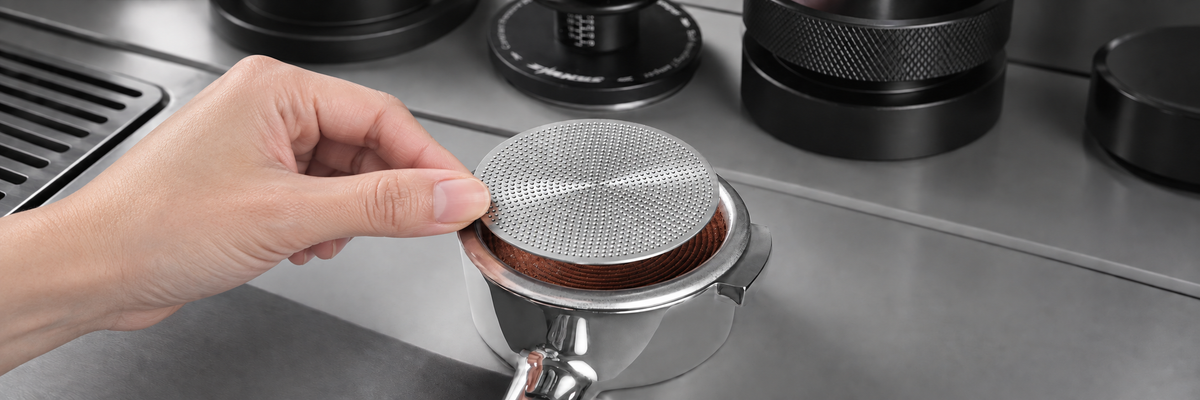
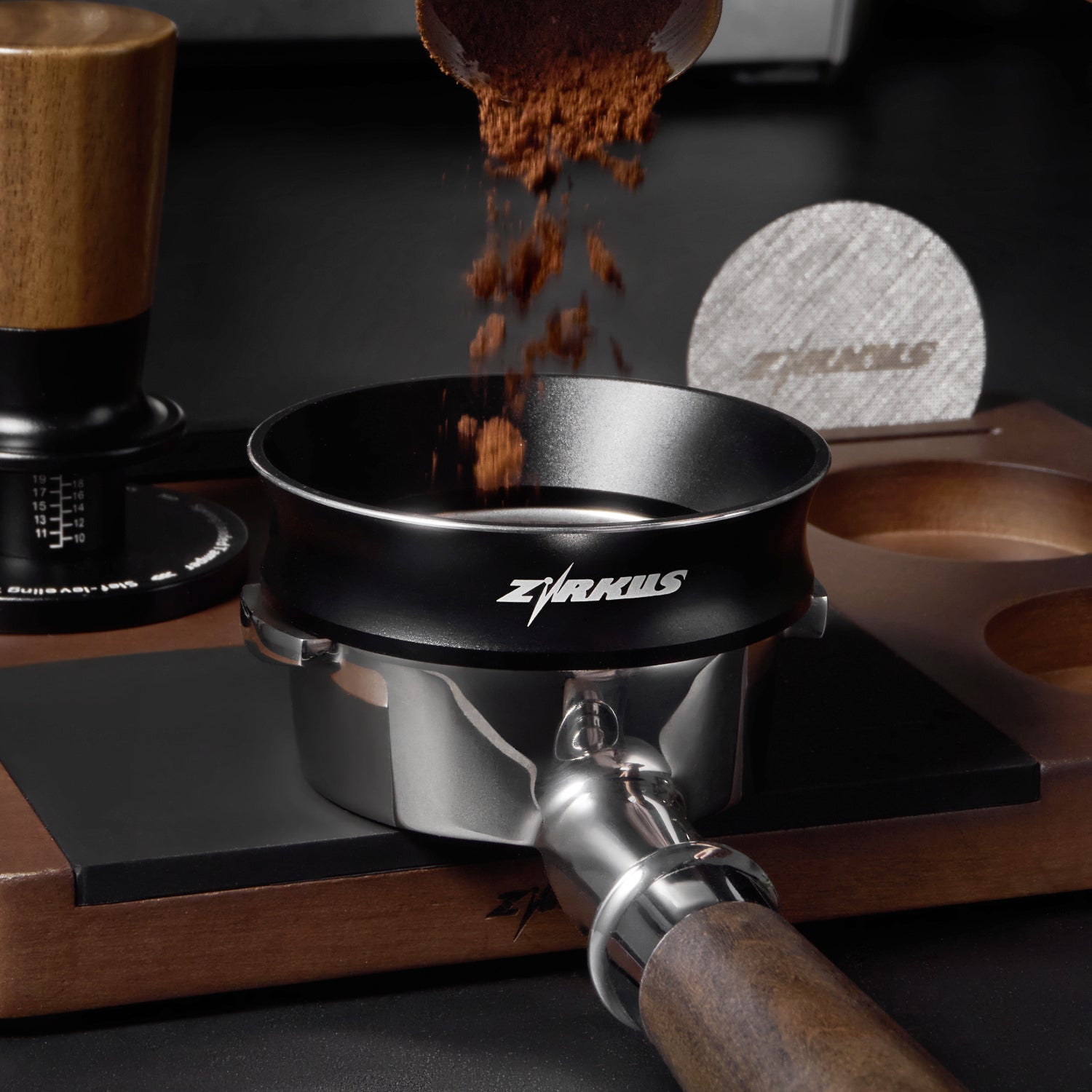
An espresso puck screen, sometimes called a puck diffuser or contact screen, is a thin, perforated or mesh disc that sits directly above the prepared coffee bed. When water enters the basket, it passes through the screen before reaching the grounds.

The puck screen is separate from the machine’s shower screen. The shower screen is installed in the group head, while the puck screen is removed from the basket after every extraction. Most reusable models are made from stainless steel, although their thickness, hole pattern and internal construction vary.
How an Espresso Puck Screen Works
Espresso is a pressurized extraction through a packed bed of ground coffee. The way water enters and moves through that bed influences where soluble coffee compounds are extracted. Research using fluid-dynamics models has shown that nonuniform water delivery and differences in bed geometry can create uneven flow and uneven extraction across a coffee bed. See the peer-reviewed PLOS One study on extraction uniformity.
A puck screen introduces another diffusion layer. Instead of allowing individual streams or droplets from the shower screen to strike the coffee directly, it spreads and softens the initial water delivery. It also provides some physical support to the top of the puck as the grounds become saturated. This mechanism is why puck screens are associated with more even wetting and reduced surface erosion.

Common Puck Screen Materials and Designs
Stainless steel is the most common material because it tolerates brewing temperatures, resists corrosion and can be reused. Three broad designs dominate the market:
-
Woven or sintered mesh: One or more layers of fine metal mesh are bonded into a rigid disc. These screens diffuse water effectively but can retain coffee particles between layers.

-
Photo-etched or perforated sheet: A thin sheet contains many precisely formed holes. It is generally easier to rinse because there are fewer internal spaces where fines can accumulate.

-
Hybrid or multilayer construction: Perforated support layers are combined with fine mesh or filtration membranes. These screens are usually thicker and more rigid.

What Does an Espresso Puck Screen Do?
A puck screen performs three practical jobs: it modifies how water reaches the coffee, helps protect the prepared surface and catches some of the grounds and oils that would otherwise contact the group head.
Promotes More Even Water Distribution
Water leaving a shower screen does not always arrive as a perfectly uniform curtain. Hole spacing, a central screw, flow rate and surface tension can create localized streams. A puck screen receives that flow and redistributes it through a second set of openings.
This does not mean every hole delivers an identical volume of water. It means the screen can reduce the intensity of direct impact and encourage broader wetting before full brewing pressure develops.
Helps Reduce Espresso Channeling
Channeling occurs when water favors particular low-resistance routes through the puck instead of flowing evenly through the entire coffee bed. Some regions are then exposed to more water, while other regions contribute less to the beverage.
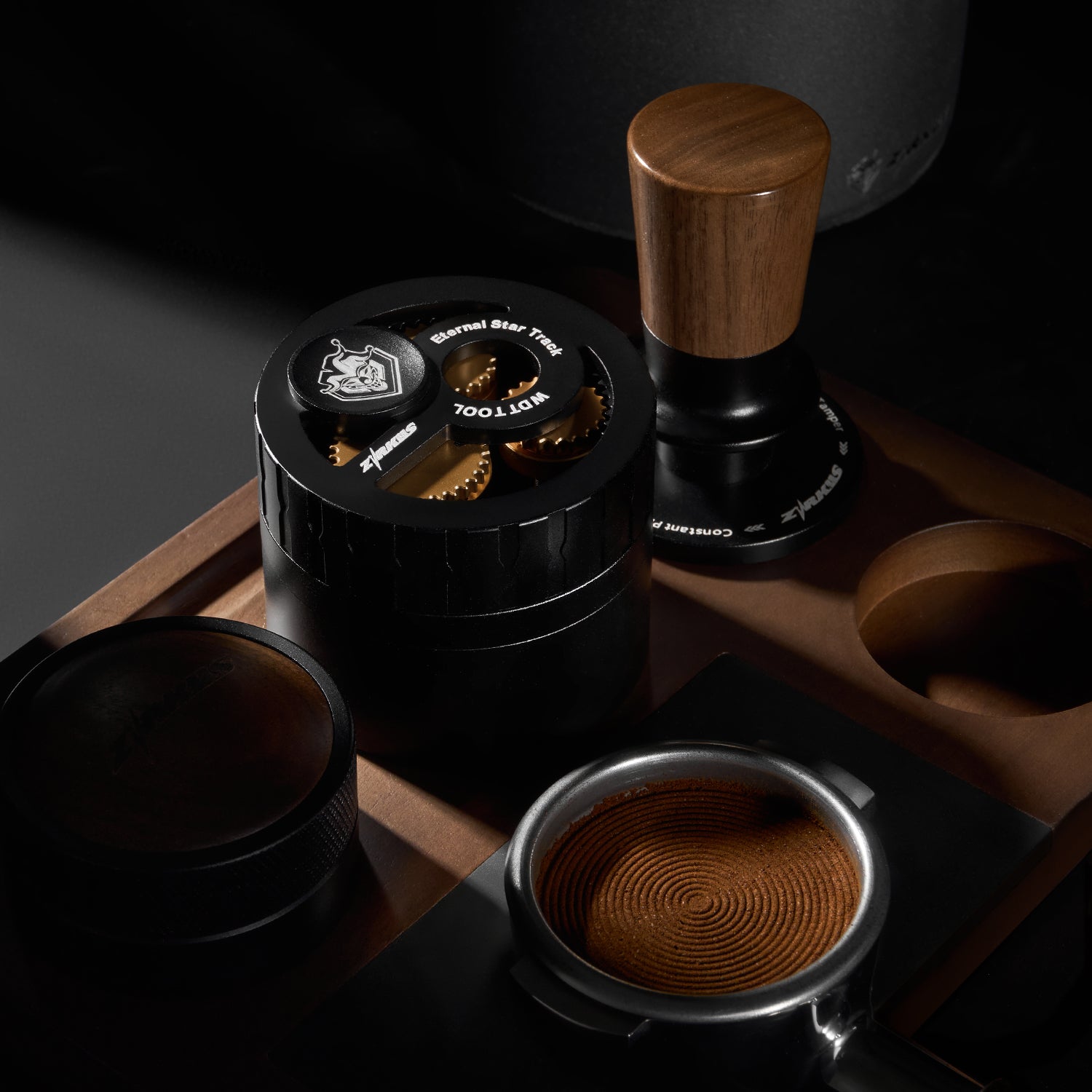
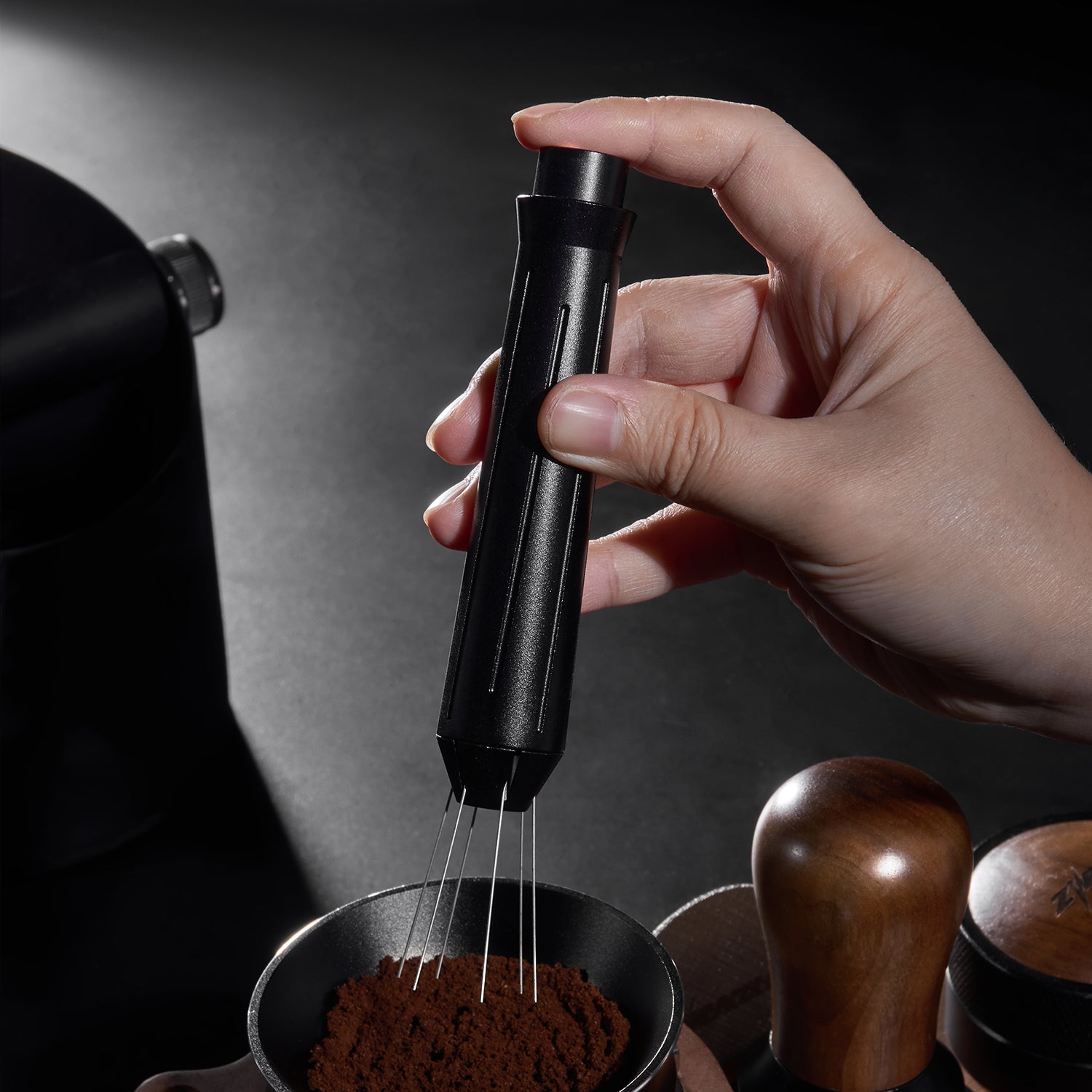
A puck screen may reduce one possible cause of channeling: aggressive or uneven water impact at the top of the puck. It can also limit erosion during pre-infusion. However, it cannot remove internal density differences caused by clumped grounds, careless distribution or a tilted tamp.
Think of the screen as a guardrail, not an autopilot. Good puck preparation remains essential.
Keeps the Group Head Cleaner
The cleanliness benefit is usually the easiest to observe. The metal disc separates the coffee from the shower screen and catches many loose fines when pressure is released after brewing. Zirkus specifically states that its puck screen reduces the amount of coffee material drawn into the brew head.

Espresso Puck Screen Benefits and Drawbacks
A puck screen is inexpensive compared with most espresso upgrades, but it adds another variable and another cleaning step. Its value depends on the machine, basket and user’s workflow.
Key Benefits of Using a Puck Screen
- Gentler water delivery: The screen can reduce concentrated impact on the top of the coffee bed.
- Better puck protection: It helps preserve the tamped surface during wetting and pressure changes.
- A cleaner shower screen: Fewer grounds come into direct contact with the group head.
- Potentially greater repeatability: If uneven water delivery is a source of variation, an additional diffuser can make shots more consistent.
- Reusable construction: A stainless-steel screen can serve for many brewing cycles when it is cleaned and handled correctly.
The drawbacks are equally practical. A screen consumes headspace, can stick to the group head, may trap grounds inside multilayer mesh and must be recovered before the spent puck is knocked out. It can also complicate dialing in if its addition changes shot time or flow.
Does a Puck Screen Improve Espresso Taste?
It can, but the result is conditional. If a puck screen corrects uneven water impact or helps prevent damage to the coffee bed, the espresso may become more balanced or repeatable. If the machine already distributes water well and puck preparation is consistent, the sensory difference may be small or undetectable.
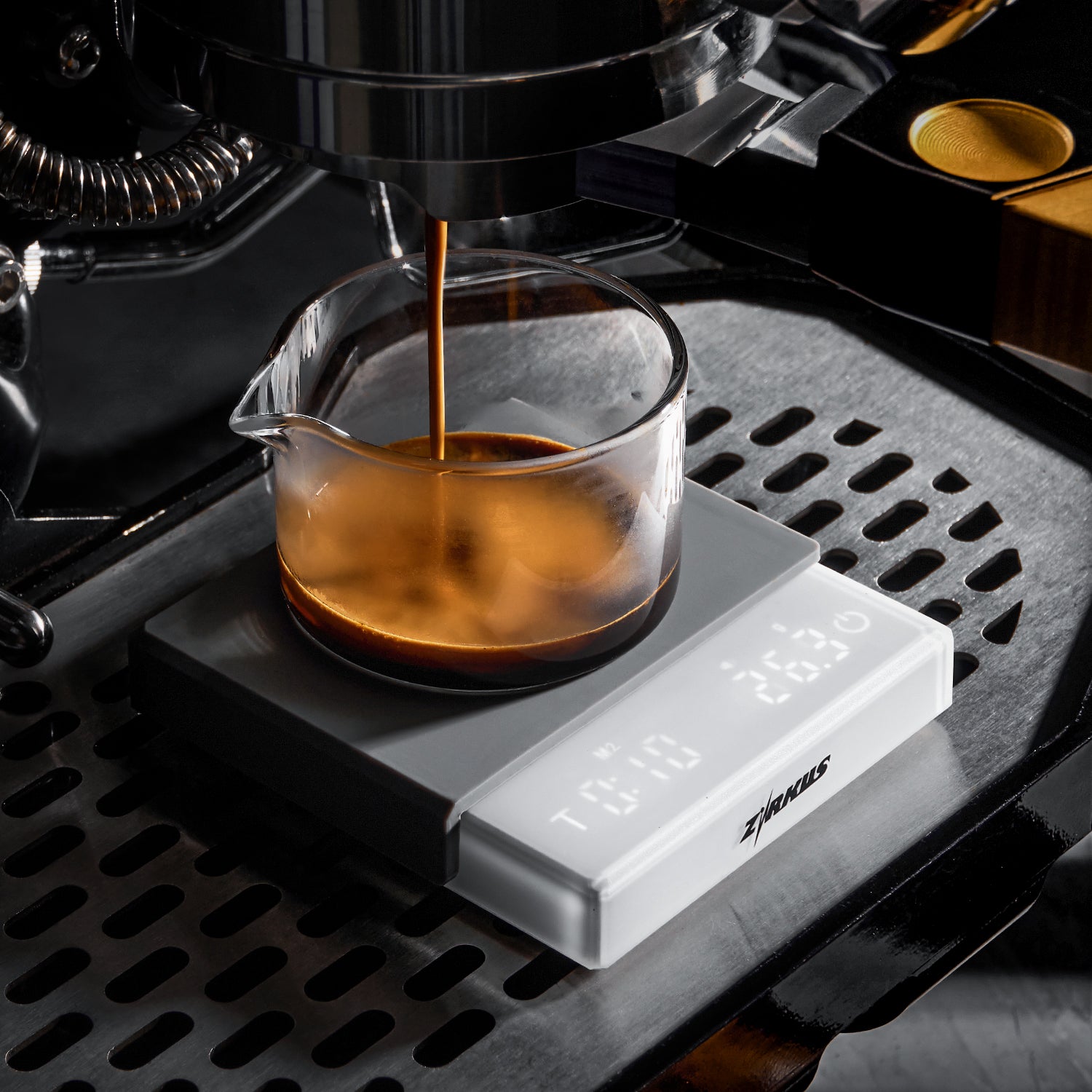
The most reliable evaluation is a controlled comparison. Keep the coffee, dose, beverage yield, temperature and preparation method constant. Brew several shots with and without the screen, record shot time and taste them without knowing which is which. Repeatable preference matters more than a single attractive-looking extraction.
How to Choose the Right Espresso Puck Screen Size
Choose a puck screen according to the basket’s internal diameter, not simply the nominal portafilter size printed in a product listing. A machine described as “54 mm,” for example, may use an accessory closer to 53.3 mm because the screen must fit inside the basket wall.
Measure across the inside of the basket near the height where the screen will rest. A digital caliper provides the clearest result.
Common Puck Screen Sizes: 51mm, 53mm and 58mm
- 51 mm: Common among compact home machines and several De’Longhi systems. De’Longhi identifies its compatible La Specialista and Dedica Maestro bottomless portafilter as 51 mm.
- 53 mm to 53.5 mm: Frequently used inside baskets marketed as 54 mm. Many Breville and Sage machines have nominal 54 mm portafilters, while close-fitting preparation tools and puck screens are commonly about 53.3 mm.
- 58 mm to 58.5 mm: Common on commercial-style groups and prosumer machines. The Gaggia Classic Pro E24 uses a 58 mm portafilter.
Puck Screen Size Compatibility by Espresso Machine
| Machine or basket family | Typical nominal size | Screen size to investigate | Compatibility note |
|---|---|---|---|
| Selected De’Longhi La Specialista and Dedica Maestro models | 51 mm | Approximately 51 mm | Confirm the exact model and basket. De’Longhi documents a 51 mm compatible portafilter for these families. |
| Breville or Sage Bambino, Barista Express, Barista Pro and selected related models | 54 mm | Often approximately 53 mm | Breville confirms that these families use 54 mm portafilters. Basket taper and internal diameter still need to be checked. See Breville’s 54 mm compatibility listing. |
| Gaggia Classic Pro E24 | 58 mm | Often 58 mm to 58.5 mm | Gaggia specifies a 58 mm portafilter. Measure the installed basket before ordering a close-fitting 58.5 mm screen. |
| Other E61 and commercial-style machines | Usually 58 mm | Frequently 58 mm to 58.5 mm | Basket profiles differ. Verify the actual basket rather than treating “E61” or “58 mm” as a complete fit guarantee. |
These are starting points, not universal compatibility promises. Replacement and precision baskets can change the required diameter even when the espresso machine remains the same.
What Happens If the Puck Screen Is Too Small or Too Large?
A slightly undersized screen may still function, but it can slide off center and leave a ring of coffee exposed to more direct water flow. A substantially undersized disc may tilt or become embedded in the wet puck.
An oversized screen is more troublesome. It can catch on a tapered basket wall, bow upward or sit at an angle. That creates uneven contact and makes removal difficult. It may also interfere with the group head when the portafilter is locked in.
The ideal screen sits flat, remains centered and can be lifted without scraping forcefully against the basket.
What Is the Best Puck Screen Thickness?
There is no universally best thickness. The correct choice depends on available headspace, screen construction, ease of handling and cleaning preferences. A rigid 0.8 mm screen is not automatically a better diffuser than a precisely etched 0.2 mm screen, and a thin screen is not automatically easier to use.
0.2mm Puck Screens: Pros and Cons
A 0.2 mm screen occupies very little space above the coffee. This is useful when the basket is already close to its practical dose limit or the machine has a low shower screen.
Advantages include:
- Minimal loss of headspace
- Little or no dose adjustment in many baskets
- Low thermal mass
- Relatively simple cleaning when the design uses a single etched sheet
Possible disadvantages include:
- Less rigidity during handling
- Greater risk of bending if the screen is knocked out with the coffee puck
- Small holes that can still block if the screen is not rinsed promptly
- More difficult removal when the thin edge sits tightly against a basket wall
Ultra-thin models are a sensible default for tight baskets, but build quality and hole design still matter.
0.8mm to 1.0mm Puck Screens: Pros and Cons
Screens in the 0.8 mm to 1.0 mm range feel more substantial and are often easier to place flat. This thickness can be produced as a rigid perforated plate, fine mesh or multilayer assembly, so two screens with the same stated thickness may behave differently.
Advantages include:
- Greater rigidity and easier handling
- Strong physical support for the top of the puck
- Less likelihood of accidental bending during normal cleaning
Possible disadvantages include:
- More headspace is required
- The dose may need to be reduced
- Multilayer mesh can retain fine coffee particles
- Additional metal mass may require more attention to preheating on temperature-sensitive manual machines
How Thickness Affects Headspace and Coffee Dose
Headspace is the room between the prepared coffee bed and the components above it. Adding a puck screen fills part of that room. If the basket is already overfilled, a thick screen may be pressed into the shower screen or central screw as the portafilter is installed.
Do not force the handle farther than usual. Remove the portafilter and inspect the dry screen. A deep screw mark, visible bowing or displaced coffee indicates insufficient clearance.
How to Clean and Maintain an Espresso Puck Screen
A puck screen is only useful when its openings remain clear. Coffee oils and fine particles can gradually reduce flow through parts of the disc, undermining the uniformity it is supposed to support.
Cleaning the Screen After Every Shot
After each extraction:
- Remove the screen from the spent puck.
- Rinse both sides under warm or hot running water.
- Direct the water through the screen from both directions.
- Inspect the surface for blocked holes or trapped grounds.
- Shake off excess water and leave the screen to air-dry.

Deep Cleaning Coffee Oils and Blocked Holes
When rinsing no longer removes visible residue, soak the screen in a cleaning solution approved for espresso equipment. Follow the cleaner’s concentration and contact-time instructions instead of making the solution stronger.
Urnex states that Cafiza can be used for baskets, screens and other removable parts. Its published accessory-cleaning directions specify 6 grams of powder per liter of hot water, a 30-minute soak and a thorough fresh-water rinse. Consult the complete Urnex product instructions before use.
Is an Espresso Puck Screen Worth It?
A puck screen is worth considering if you want a cleaner group head, see visible erosion at the top of the coffee bed or use a machine with concentrated water delivery. It is also a logical accessory for some manual lever machines, where the puck screen may be part of the manufacturer’s intended brewing method.
It is less compelling if your espresso is already consistent and you prefer the shortest possible workflow. The screen adds handling, cleaning and another item that can be misplaced. It should not take priority over a capable grinder, fresh coffee, an appropriate basket or sound preparation technique.
Conclusion
The best puck screen is not simply the thickest, finest or most expensive model. It is the screen that sits flat inside your basket, leaves safe headspace, distributes water without complicating the recipe and can be cleaned completely after every shot.
Start by measuring the basket. Then choose between an ultra-thin etched screen and a more rigid mesh design according to your available clearance and maintenance preferences. Introduce it without changing several other variables, compare repeated shots and let the results guide you. That disciplined, evidence-first approach turns a small metal disc from a fashionable accessory into a purposeful part of an espresso setup.
FAQs
Which Side of a Puck Screen Faces Up?
Either side can face up when the screen is symmetrical and the manufacturer does not specify an orientation. Directional etched patterns, recessed centers and screw-relief designs may need a particular position. Follow the product instructions and make sure the screen lies flat.
Does a Puck Screen Prevent Channeling?
It may reduce channeling caused by uneven or aggressive water delivery, but it cannot prevent every low-resistance path inside the coffee bed. Grind quality, distribution, dose, tamping and basket geometry remain important.
Can You Use a Puck Screen With a Pressurized Basket?
Yes, provided the screen fits and the basket has enough headspace. However, the benefit may be harder to evaluate because a pressurized, dual-wall basket creates much of its resistance at a restricted outlet. Breville explains that this design compensates for variation in grind and tamping by generating back pressure at the basket’s small outer opening. See Breville’s pressurized-basket guide.
Should the Puck Screen Touch the Shower Screen?
It should not be pressed firmly against the shower screen when the dry portafilter is installed. Hard contact can bow the puck screen, disturb the coffee or make the portafilter difficult to lock. A faint mark noticed after brewing does not necessarily prove that the dry assembly was overfilled because saturated coffee can expand and move during pressure release. If you see deep impressions or feel abnormal resistance before brewing, reduce the dose or use a thinner screen.
Do You Need to Preheat the Puck Screen?
Not always. Thin screens have relatively little metal mass, and many pump-machine users place them directly on the puck. Thicker mesh screens can absorb more heat, which may matter in thermally sensitive manual brewers.

Written by ZirkusTeam


Leave a comment
This site is protected by hCaptcha and the hCaptcha Privacy Policy and Terms of Service apply.