

The Complete Guide to Portafilter: Types, Sizes & Cleaning
The portafilter plays a major role in shot quality. Basket size, coffee distribution, tamping, cleanliness, and portafilter compatibility can all affect how evenly water flows through the coffee puck. When used correctly, the portafilter helps produce balanced, consistent, and flavorful espresso. When used incorrectly, it can lead to channeling, weak crema, sour shots, bitter flavors, and messy extractions.
In this complete guide, you will learn what a portafilter is, how different types work, how to choose the correct size, what a bottomless portafilter does, how to dose and tamp correctly, how to clean your portafilter, and how to fix the most common portafilter-related espresso problems.
What Is a Portafilter?
Before getting into basket sizes, bottomless designs, and espresso troubleshooting, it helps to understand the basic role of a portafilter.
If you have ever looked at an espresso machine and wondered what the heavy metal handle does, that part is the portafilter. It may seem like just a handle and a basket, but it is one of the most important parts of the espresso brewing process.

The Basic Function of a Portafilter
A portafilter holds the ground coffee while hot water is forced through it under pressure. During extraction, the portafilter locks into the group head of the espresso machine, forming a sealed brewing chamber.
Inside the portafilter sits the filter basket, which contains the coffee grounds. Once the machine begins extraction, pressurized water passes through the puck of coffee and exits through the basket holes. From there, the espresso either flows through one or two spouts or directly from the basket if using a bottomless portafilter.

The portafilter does three key things:
- Holds the coffee grounds in place
- Locks into the espresso machine to create pressure
- Guides how water passes through the coffee puck
Because espresso depends on pressure, resistance, and even water flow, the portafilter directly affects extraction quality.
Anatomy of a Portafilter: Parts You Should Know
A portafilter may look simple, but several parts work together during extraction.
Handle
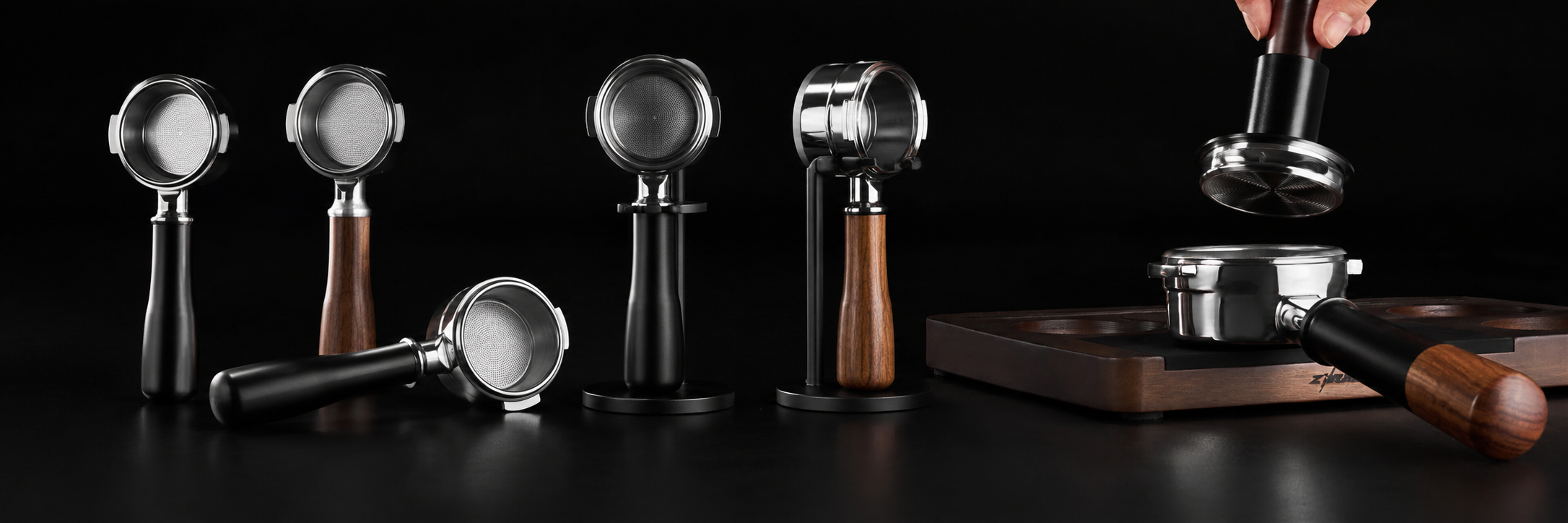
The handle allows the barista to lock and unlock the portafilter from the group head. Handles are commonly made from plastic, stainless steel, aluminum alloy, or wood. Premium portafilters often use ergonomic wooden handles for better grip and a more refined appearance.

Filter Basket
The filter basket is the perforated metal cup that holds the ground coffee. Basket size and shape affect dose capacity, water flow, puck depth, and extraction consistency. Common basket capacities include single, double, and triple baskets.

Single Spout or Dual Spouts
A traditional spouted portafilter has one or two spouts underneath. A single spout directs espresso into one cup, while a double spout splits the shot into two cups. Spouts help keep the shot clean and controlled.

Collar or Lug
The collar and lugs are the metal locking points that secure the portafilter into the group head. Lug design is one reason why portafilters are not universally compatible across machines.

Group Gasket
The group gasket is not part of the portafilter itself, but it works closely with it. This rubber seal sits inside the group head and creates a tight seal when the portafilter is locked in. A worn gasket can cause leaking around the portafilter during extraction.

Why the Portafilter Matters for Espresso Quality
The portafilter is the foundation of every espresso shot. Even if you own a high-quality grinder and espresso machine, poor portafilter use can still ruin the result.
If the basket is the wrong size, the puck may be too shallow or too compressed. If the coffee is distributed unevenly, water will find weak spots and create channeling. If the basket is dirty or damaged, old coffee oils and uneven flow can affect flavor.
A well-matched and properly used portafilter helps create more stable pressure, better puck preparation, and more consistent extractions. For many home baristas, upgrading to a better basket or bottomless portafilter can noticeably improve shot consistency without replacing the entire espresso machine.
Types of Portafilters
Not all portafilters are designed the same way. The right type depends on your machine, grinder, experience level, and brewing goals.
Some portafilters are more forgiving for beginners. Others give more control but require better technique. Understanding the major types will help you choose the right setup for your espresso routine.
Pressurized Portafilter
A pressurized portafilter, often used with a dual-wall basket, is designed to create artificial pressureduring extraction.
Instead of relying entirely on grind size and puck resistance, a pressurized basket forces espresso through a small exit hole. This helps create crema and pressure even when the grind is not perfect.
Pressurized portafilters are common on entry-level home espresso machines. They are especially useful for people using pre-ground coffee or blade grinders, where particle size is usually inconsistent.

Best for:
Beginners, pre-ground coffee users, and entry-level espresso machine owners.
Pros:
Pressurized portafilters are forgiving. They can produce a drinkable shot even if the grind is too coarse or uneven. They also make it easier for beginners to get crema without mastering espresso technique immediately.
Cons:
The downside is limited control. Because the basket creates artificial resistance, it can mask extraction problems. The flavor may be less complex, and experienced users may find it harder to fine-tune sweetness, acidity, and body.
Non-Pressurized Portafilter
A non-pressurized portafilter uses a single-wall basket. In this setup, pressure comes from the coffee puck itself. Grind size, dose, distribution, and tamping all determine how the water flows.
This is the standard choice for specialty coffee and serious home espresso.

Best for:
Experienced home baristas, specialty coffee enthusiasts, and anyone using a quality burr grinder.
Pros:
A non-pressurized portafilter gives you full control over extraction. It allows more flavor clarity, better texture, and more accurate feedback. If the shot runs too fast, too slow, or channels, you can adjust your grind, dose, distribution, or tamp.
Cons:
It is less forgiving. A poor grind or uneven puck preparation will quickly show up in the cup. To use a nonpressurized portafilter well, you need a capable grinder and consistent technique.
Spouted Portafilter
A spouted portafilter is the traditional design used in many cafés and home espresso setups. The espresso exits the basket and flows through one or two spouts.
A single-spout portafilter directs espresso into one cup. A double-spout portafilter splits the flow into two cups, making it useful for preparing two single shots at the same time.
Spouted portafilters are clean, practical, and familiar. They reduce splashing and make espresso service easier, especially in commercial settings.
Common portafilter diameters include 58mm for commercial and prosumer machines, and 54mm for many home espresso machines.

Bottomless Portafilter
A bottomless portafilter, also called a naked portafilter, removes the spout and exposes the bottom of the filter basket.
Instead of espresso flowing through a spout, you can see the extraction directly from the basket holes.This makes it a powerful diagnostic tool.
A bottomless portafilter shows whether your puck preparation is even. If the shot flows smoothly into a single central stream, your distribution and tamping are likely working well. If the espresso sprays, spurts, or flows unevenly, the portafilter reveals problems such as channeling, poor distribution, or an unlevel tamp.
Bottomless portafilters are especially popular among home baristas who want to improve their technique.

Ridged vs. Ridgeless Baskets
Filter baskets can be ridged or ridgeless.
A ridged basket has a small groove near the upper wall. This groove helps lock the basket into the portafilter using a spring clip. Ridged baskets are traditional and secure, but the groove can sometimes trap coffee oils or make cleaning slightly more difficult.

A ridgeless basket has a smooth wall without the groove. Many specialty coffee users prefer ridgeless baskets because they are easier to clean and may provide a cleaner puck release.

Neither type is automatically better for everyone. Compatibility matters. Some portafilters hold ridged baskets more securely, while others work well with ridgeless baskets. Before upgrading, check whether your portafilter spring and basket design are compatible.
Portafilter Basket Sizes Explained
One of the most common causes of poor espresso is using the wrong basket size.
A portafilter basket is not just a container for coffee. Its diameter, depth, hole pattern, and capacity all affect how espresso extracts. If the basket does not match your machine or your dose, you may struggle with channeling, weak shots, or inconsistent flow.
The Two Measurements That Matter: Diameter and Capacity
There are two key basket measurements to understand: diameter and capacity.
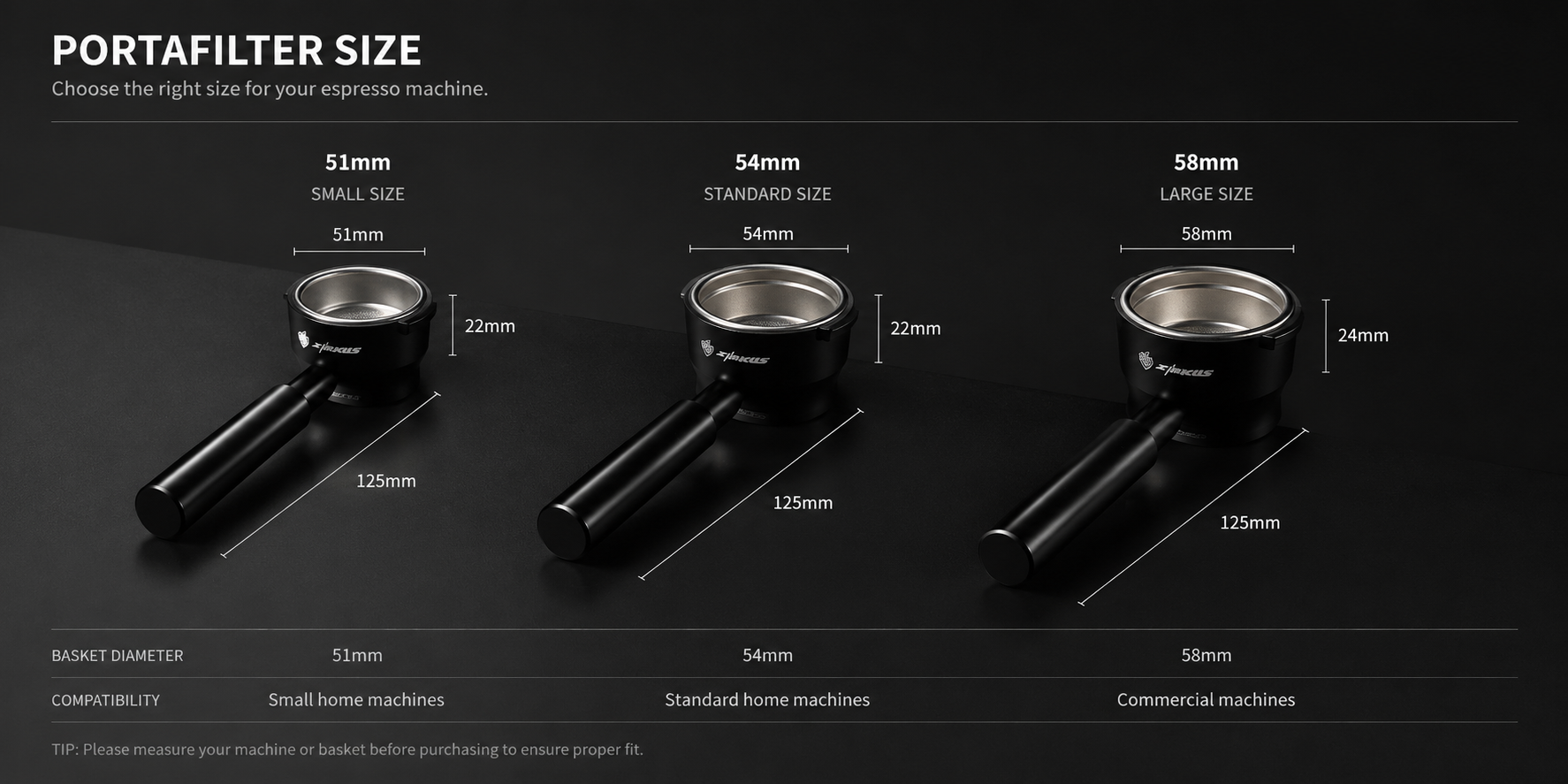
1. Diameter refers to the width of the basket and must match your espresso machine’s group head. A 58mm portafilter cannot be used on a 54mm machine, and a 51mm basket will not fit correctly into a 58mm portafilter.
Common basket diameters include:
49mm
Often found on older, compact, or entry-level machines.
51mm
Common in smaller home espresso machines.
54mm
Used by many mid-range home machines, including several popular Breville models.
58mm
The commercial and prosumer standard. This size has the widest accessory ecosystem and is common on machines from brands such as La Marzocco, Rancilio, E61-style machines, and many professional espresso setups.
2. Capacity refers to how much ground coffee the basket is designed to hold.
Common basket capacities include:
- Single basket: 7–9g
- Double basket: 14–18g
-
Triple basket: 20–22g or more
For most home baristas, a double basket around 18g is the most popular starting point. It offers good consistency, manageable puck depth, and broad recipe flexibility.
How to Measure Your Basket
If you are not sure what size basket you need, do not guess. Measuring is simple and can prevent buying the wrong accessory.
Use digital calipers to measure the inner diameter of your basket. You can also check the specifications in your espresso machine manual. If you are replacing a basket, measure both the diameter and depth.

A common mistake is assuming that all baskets with the same diameter are interchangeable. For example, many baskets may be labeled 58mm, but depth, wall shape, rim design, and basket capacity can vary by brand.
This is especially important when buying precision baskets, bottomless portafilters, or aftermarket accessories.
How to Clean and Maintain Your Portafilter
A dirty portafilter can ruin espresso flavor.
Coffee oils build up quickly. Over time, those oils become stale and bitter. If they remain inside the basket, spouts, or portafilter body, they can contaminate every shot you pull.
Good cleaning habits keep your espresso tasting clean and consistent.
After Every Shot: Quick Daily Habits
After each shot, knock out the spent puck immediately. Leaving wet coffee grounds in the basket can create stale odors and residue.
Rinse the basket and portafilter body with hot water. For daily rinsing, soap is usually not necessary. The goal is to remove fresh coffee oils and grounds before they dry.
Before dosing the next shot, dry the basket with a clean cloth. A wet basket can cause grounds to stick unevenly and may affect puck preparation.
At the end of each session, wipe the group head gasket and surrounding area with a damp cloth. Coffee grounds often collect around the gasket, which can eventually cause sealing problems.
Weekly Cleaning: Backflushing Your Machine
If your espresso machine has a three-way solenoid valve, you can backflush it using a blind basket.
A blind basket is a solid basket with no holes. It allows cleaning solution to move through the group head and internal passages.
A common weekly process is:
- Insert a blind basket into the portafilter.
- Add espresso machine cleaner according to the cleaner’s instructions.
- Lock the portafilter into the group head.
- Run several short cycles.
- Rinse thoroughly using plain water.
- Repeat until no cleaner remains.
For home use, weekly backflushing is usually enough. In commercial settings, daily cleaning is more common.
Always follow your machine manufacturer’s cleaning instructions, because not every machine is designed for detergent backflushing.
When to Replace Portafilter Components
Some parts need replacement over time.
Basket
Replace the basket if it becomes dented, corroded, clogged, or visibly worn. Uneven flow from a damaged basket can cause persistent extraction problems.
Group Gasket
A worn gasket can cause leaking around the portafilter. Many home users replace the gasket every 6–12 months depending on use.
Portafilter Handle
If the handle becomes cracked, loose, or unstable, replace it. A loose handle can be unsafe, especially when handling hot espresso equipment.
Portafilter Spring
The spring holds the basket in place. If the basket falls out too easily, the spring may need adjustment or replacement.
Regular maintenance is simple, but it has a major effect on espresso quality.
Common Portafilter Problems and How to Fix Them
Even with the right tools, espresso problems happen. The good news is that most portafilter issues follow recognizable patterns.
Once you know what to look for, you can usually fix them quickly.
Problem: Channeling
What it looks like:
Espresso flows unevenly, sprays from the bottomless portafilter, or forms thin jets. The shot may taste sour, watery, harsh, or unbalanced.
Common causes:
Channeling is usually caused by uneven distribution, an unlevel tamp, clumped grounds, a damaged basket, or an inconsistent grind.
How to fix it:
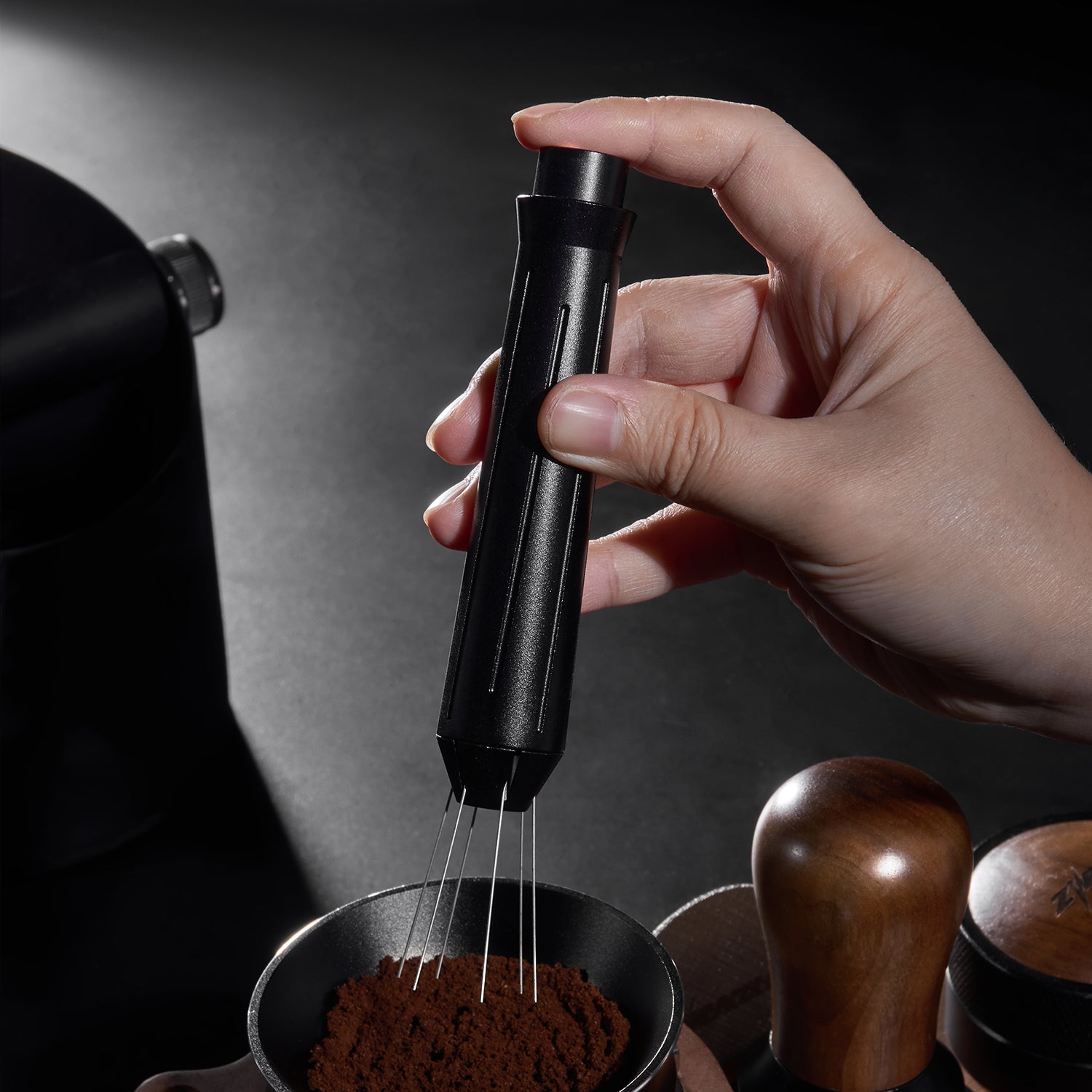
Use a WDT tool or distribution tool before tamping. Make sure the tamper is level. Check the basket for damage or clogged holes. Adjust grind size if the flow is still too fast.
Problem: Espresso Flows Too Fast
What it looks like:
The shot finishes in under 20 seconds. Espresso looks thin, pale, or watery. Flavor may be sour, weak, or sharp.
Common causes:
The grind may be too coarse, the dose may be too low, or the puck may not provide enough resistance.
How to fix it:
Grind finer in small steps. Increase the dose by 0.5–1g if your basket has enough room. Improve distribution and tamp firmly.
Problem: Espresso Flows Too Slow
What it looks like:
The shot takes longer than 35 seconds. Espresso may drip slowly or barely flow. Flavor may be bitter, dry, or astringent.
Common causes:
The grind may be too fine, the dose may be too high, or the puck may be overly compacted.
How to fix it:
Grind slightly coarser. Reduce the dose. Make sure you are not overdosing the basket or creating excessive puck resistance.
Problem: Coffee Grounds Stick to the Shower Screen
What it looks like:
After brewing, the puck has a clear circular impression from the shower screen. Grounds may stick to the group head when you remove the portafilter.
Common cause:
The basket is likely overdosed. The coffee puck expands during extraction and touches the shower screen.
How to fix it:
Reduce the dose by 1–2g. Make sure the basket capacity matches your recipe. If you want to use a larger dose, switch to a deeper basket.
Problem: Portafilter Will Not Lock In
What it looks like:
The portafilter is difficult to lock into place, requires excessive force, or does not reach the normal locked position.
Common causes:
The basket may be overfilled, the group gasket may be dirty or swollen, or the portafilter may not be compatible with the machine.
How to fix it:
Remove some coffee from the basket and try again. Clean the group head area. Check that the portafilter model matches your espresso machine.
Problem: Portafilter Locks Too Loosely
What it looks like:
The portafilter turns too far, feels loose, or does not seal securely.
Common causes:
The group gasket may be worn. The portafilter lugs may also be worn on older equipment.
How to fix it:
Replace the group gasket. If the problem continues, inspect the portafilter lugs or contact the machine manufacturer.
Problem: Espresso Leaks Around the Portafilter
What it looks like:
Water, steam, or espresso escapes from the connection between the portafilter and group head during extraction.
Common cause:
A worn, dirty, or damaged group gasket is the most common cause.
How to fix it:
Clean the gasket area first. If leaking continues, replace the group gasket. This is usually a simple and inexpensive repair on many home espresso machines.
FAQs
Q1: What size portafilter do I need?
You need a portafilter that matches your espresso machine’s group head. Common sizes include 49mm, 51mm, 54mm, and 58mm. The diameter, lug design, and depth all matter, so always check your machine manual or measure carefully before buying.
Q2: Can I use any portafilter with my espresso machine?
No. Portafilters are not universal. Even if two machines use the same basket diameter, the lug angle, ear thickness, locking position, and basket depth may be different. Always choose a portafilter designed for your specific machine model.
Q3: Should I preheat my portafilter before pulling a shot?
Yes. A cold portafilter can reduce extraction temperature and produce a thinner, less aromatic shot. Lock the empty portafilter into the group head while the machine heats up, or run a blank shot through it before dosing.
Q4: How often should I replace my portafilter basket?
For home use, replacing the basket every 1,500–2,000 shots is a practical guideline. You should replace it sooner if you see pitting, corrosion, deformation, clogged holes, or persistent uneven extraction.
Q5: What is the difference between a 58mm and 54mm portafilter?
A 58mm portafilter is the commercial standard and has a wider range of baskets, tampers, distributors, and accessories. A 54mm portafilter is common on many home espresso machines and can still produce excellent espresso when paired with the right basket and technique.
Q6: Do I need a bottomless portafilter?
You do not need one to make espresso, but a bottomless portafilter is highly useful if you want to improve your technique. It shows channeling, uneven distribution, and tamping problems that may be hidden by a spouted portafilter.
Q7: Is a pressurized portafilter good for beginners?
Yes. A pressurized portafilter is useful for beginners because it is more forgiving and can work with preground coffee. However, if you want more control and better flavor clarity, a non-pressurized portafilter with a quality grinder is a better long-term choice.
Q8: What accessories should I use with a portafilter?
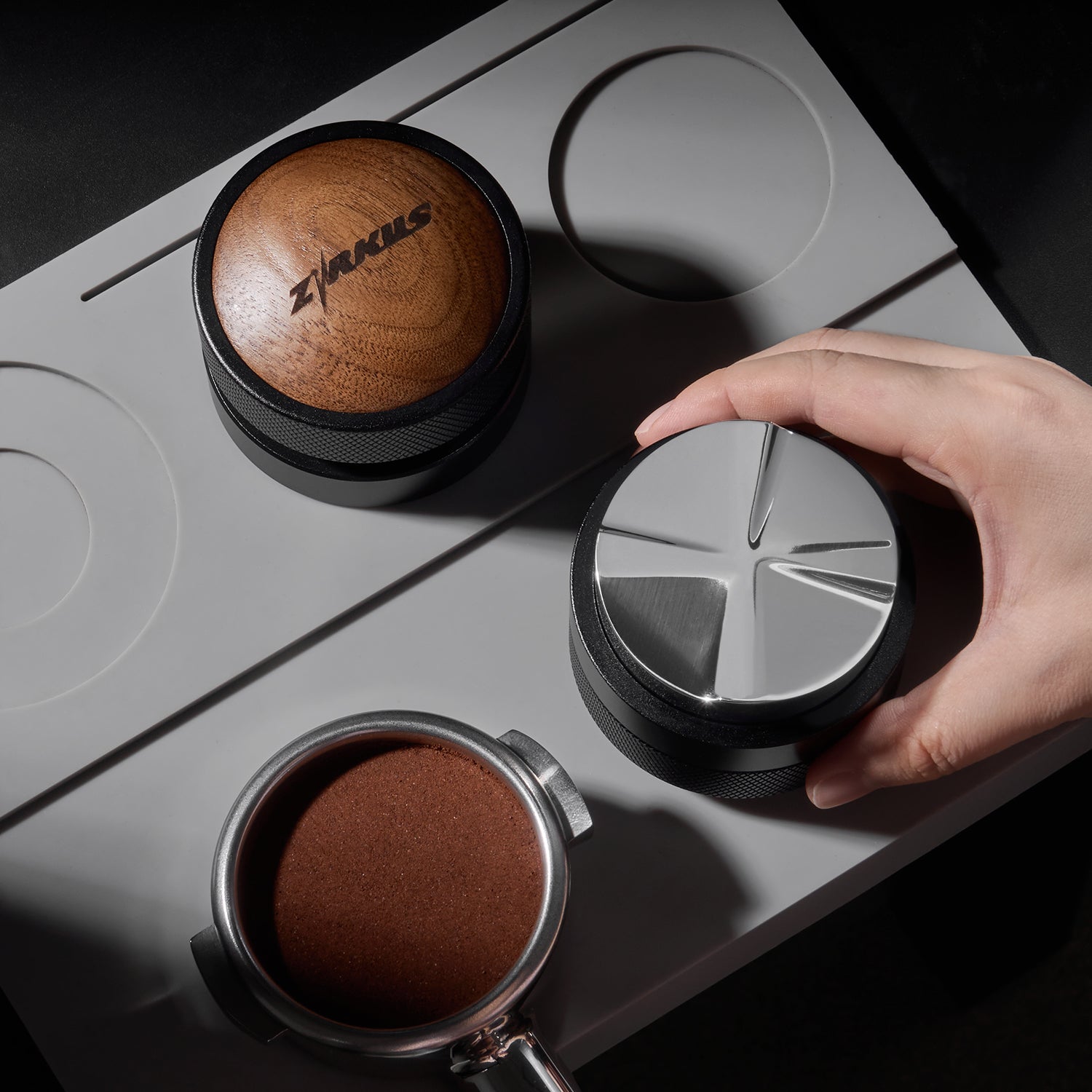
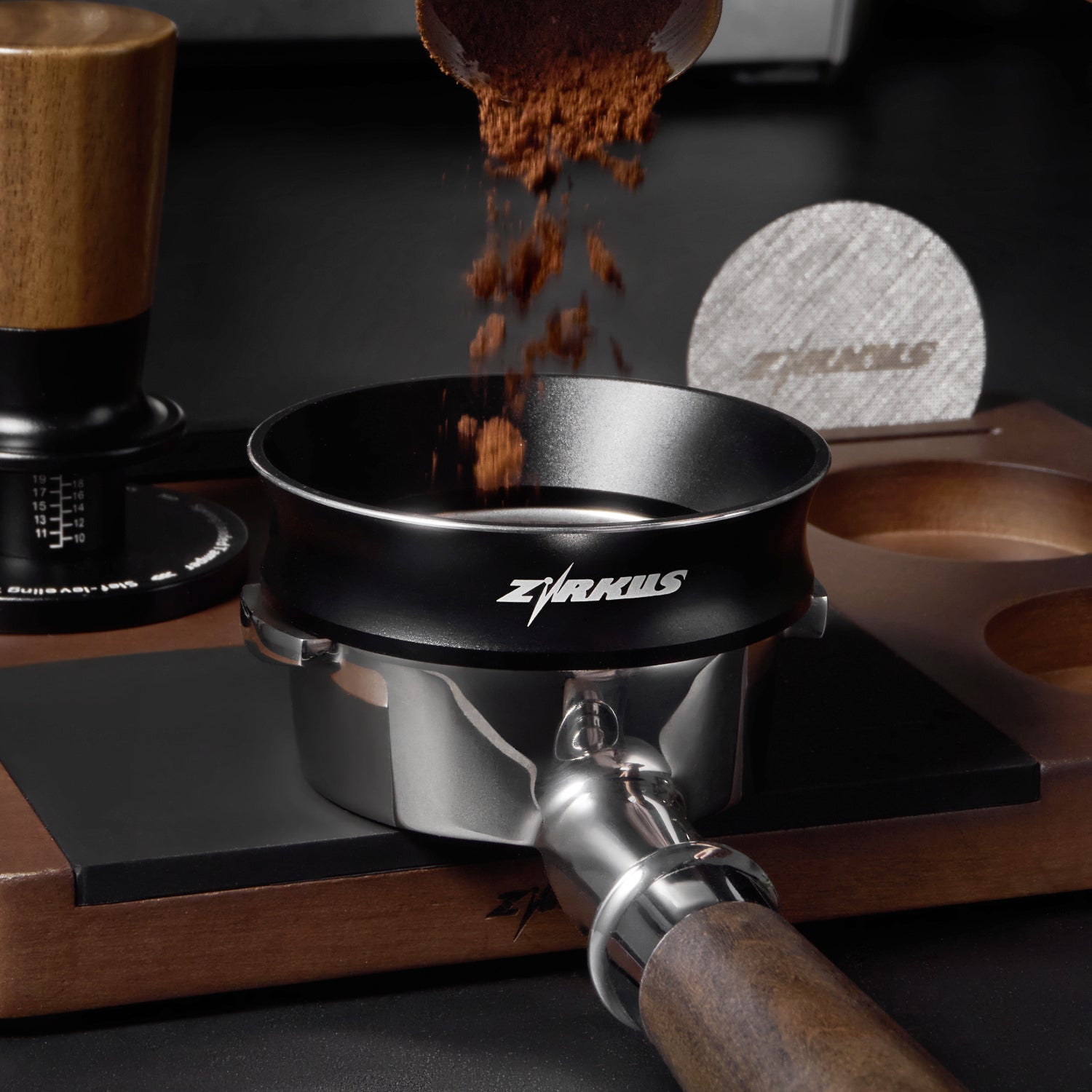
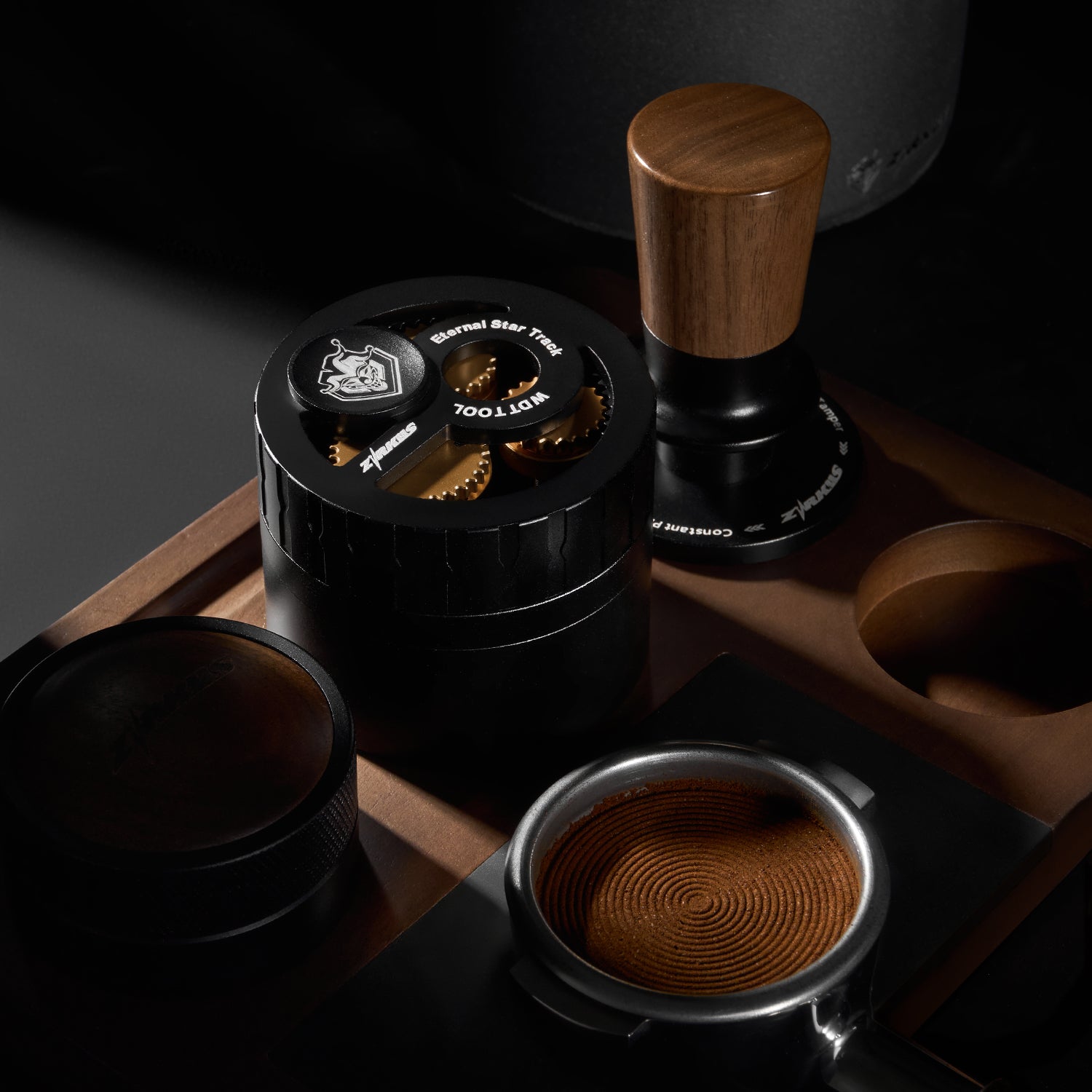
Useful accessories include a precision basket, dosing funnel, tamper, WDT tool, distribution tool, puck screen, knock box, and digital scale. These tools help improve consistency, reduce mess, and make espresso preparation more repeatable.
Conclusion
The portafilter may look like a simple espresso machine handle, but it has a huge impact on espresso quality.
It holds the coffee, locks into the machine, creates the brewing environment, and directly affects how water passes through the puck. Choosing the right portafilter size, using the correct basket, distributing coffee evenly, tamping level, and keeping everything clean can dramatically improve your espresso.
If you are just starting out, focus on matching your portafilter and basket to your machine. Use a scale, dose consistently, and learn to tamp evenly. If you want to improve faster, a bottomless portafilter can help you see exactly what is happening during extraction.
Espresso is a game of small details. The portafilter is where many of those details come together.
Start with the right setup, build a consistent workflow, and your espresso will become more balanced, repeatable, and enjoyable shot after shot.

Written by ZirkusTeam

Leave a comment
This site is protected by hCaptcha and the hCaptcha Privacy Policy and Terms of Service apply.